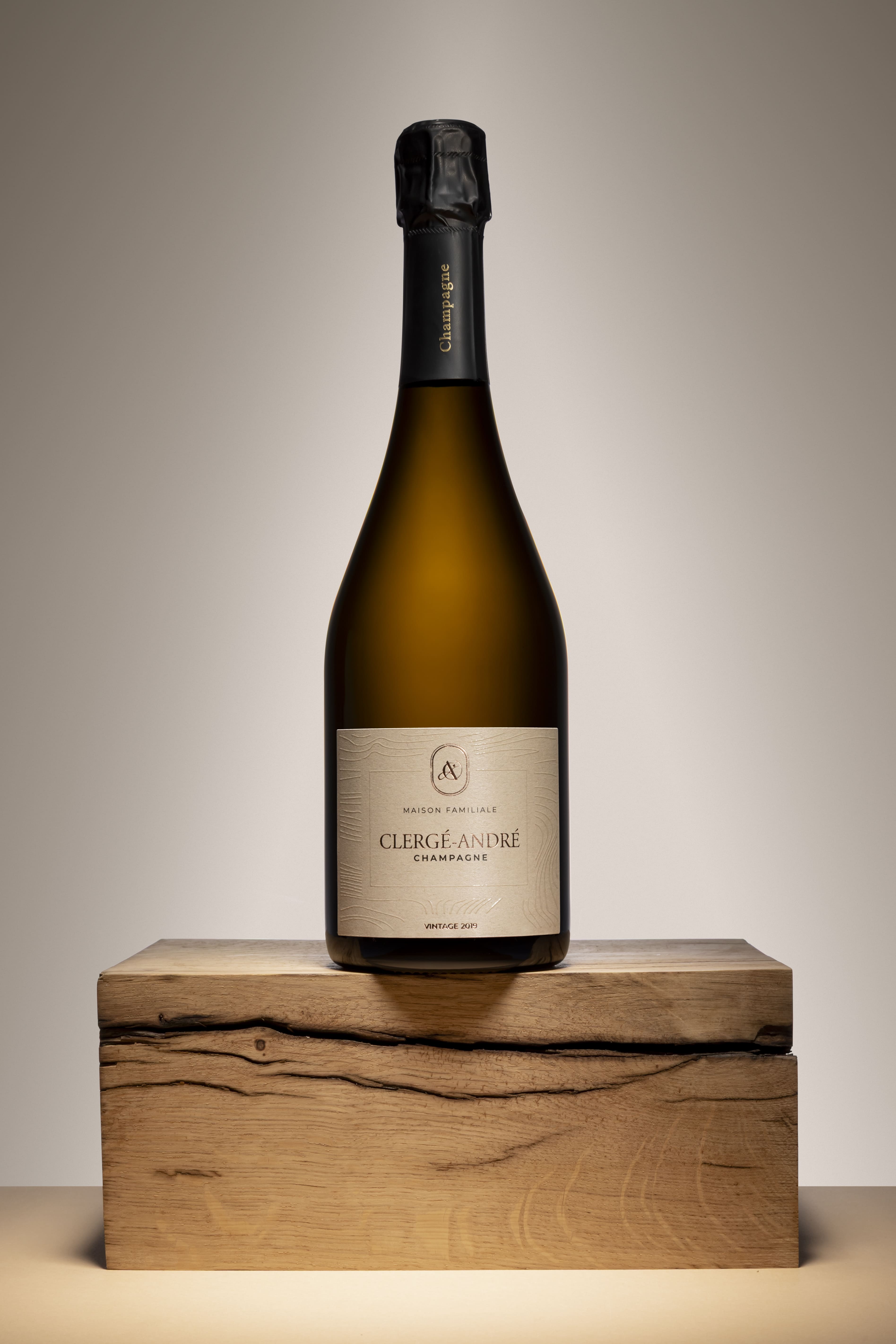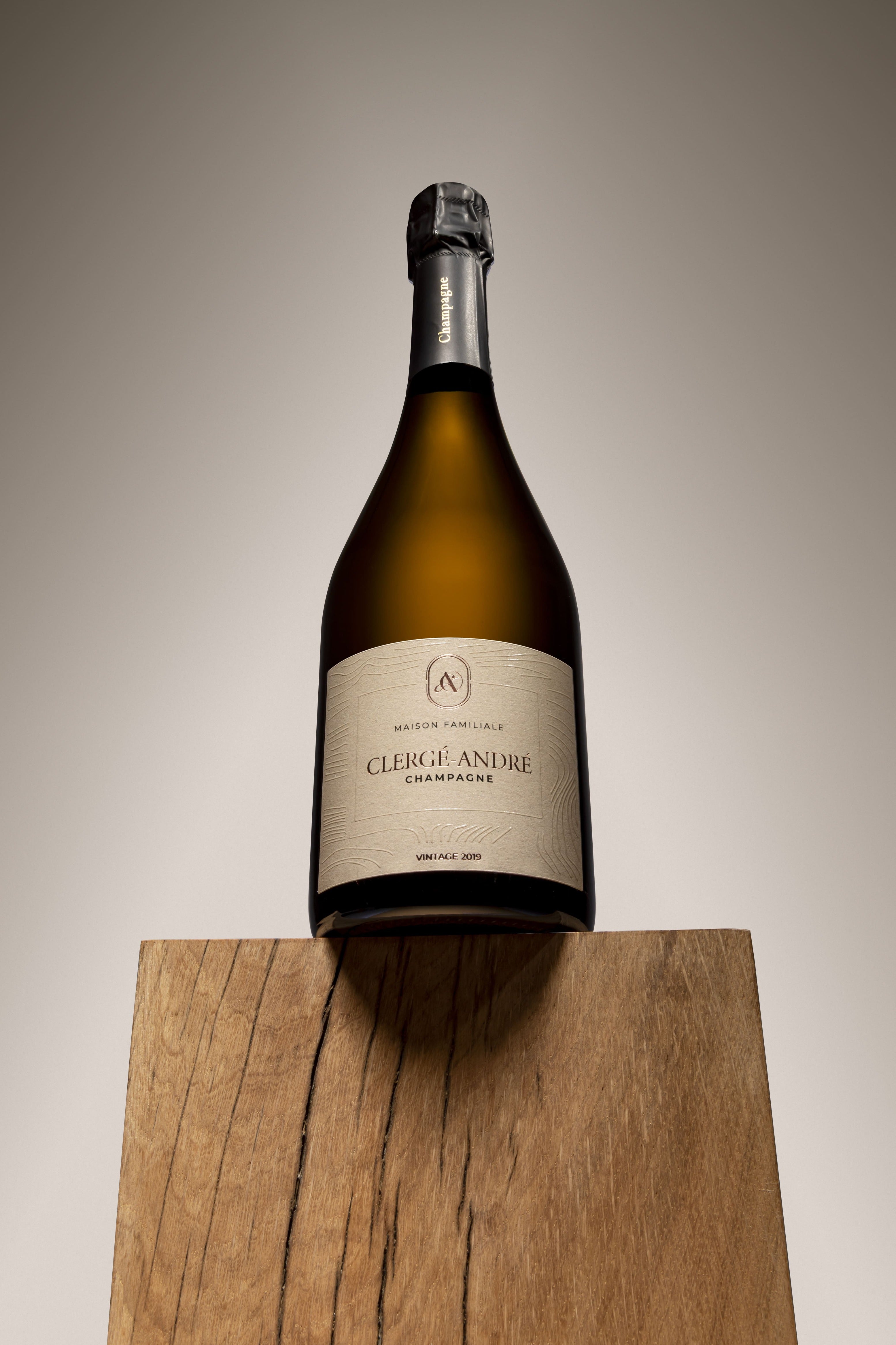


How to choose the best brut champagne
Choosing the right brut champagne can seem complex. With so many options available, it's easy to feel overwhelmed. However, understanding a few key elements can simplify your choice. Brut champagne is prized for its finesse and balance. It's often chosen to celebrate special moments. But how do you know which one to choose from so many varieties?
In this article, we'll guide you through the essential characteristics of brut champagne. You'll discover how price, terroir, and grape varieties influence your choice. Prepare to become a brut champagne expert.
What is brut champagne? Definition and characteristics
Brut Champagne is a sparkling wine produced in the Champagne region of France. It is known for its low residual sugar content. This style of Champagne is ideal for those who prefer drinks with little sugar. The traditional production method gives it fine, persistent bubbles. Flavors can range from fruity to floral, with a hint of minerality. The main distinguishing feature of brut champagne is its specific dosage.
The main characteristics of brut champagne include:
• Low sugar content (less than 12 g/l)
• Balanced flavors and fine bubbles
• Aromas vary depending on the grape variety used
Knowing these things will help you choose the perfect bottle.
The differences between brut, extra-brut, dry and demi-sec champagne
Champagne comes in several styles, each distinguished by its sugar content. Brut champagne, with less than 12 grams of sugar per liter, is the most popular. It offers a balanced taste that suits a variety of occasions and cuisines. Other styles of Champagne vary in sweetness and flavor profile. Understanding these differences helps you select the right Champagne for your preferences.
Here's an overview of the different styles:
• Extra-brut: Very dry, with less than 6 g/l of sugar.
• Brut: Dry, with less than 12 g/l of sugar.
• Dry: Sweeter, between 17 and 32 g/l of sugar.
• Semi-dry: Sweet, between 32 and 50 g/l of sugar.
Choosing the right style enhances your tasting experience.
Grape varieties and terroir: what influences the taste of brut champagne
The unique taste of brut champagne is shaped by its grape varieties and terroir. Three main grape varieties are used in its composition: Pinot Noir, Pinot Meunier, and Chardonnay. Each brings its own aromas and characteristics to the whole.
Terroir also plays a crucial role, influencing the minerality and freshness of Champagne. The Champagne region, with its limestone soil and cool climate, is ideal for growing these grape varieties. It offers a diversity of flavors depending on the origin of the vines.
Here are the key grape varieties:
• Pinot Noir: Provides structure and aromas of red fruits.
• Pinot Meunier: Adds roundness and fresh fruit.
• Chardonnay: Offers finesse and floral notes.
The process of making brut champagne
The production of brut champagne follows a precise and delicate process. This journey begins with the harvesting of the grapes, usually by hand to avoid damage to the bunches. Then comes the delicate pressing to obtain the grape juice. Alcoholic fermentation follows, allowing the juice to transform into wine. The magic happens during the second fermentation in the bottle, where the bubbles are created.
Key steps include:
• Pressing: Gentle extraction of the juice.
• First fermentation: Conversion into still wine.
• Second fermentation: Creation of champagne bubbles.
• Aging: Maturation on lees to develop the aromas.
How to read a brut champagne label
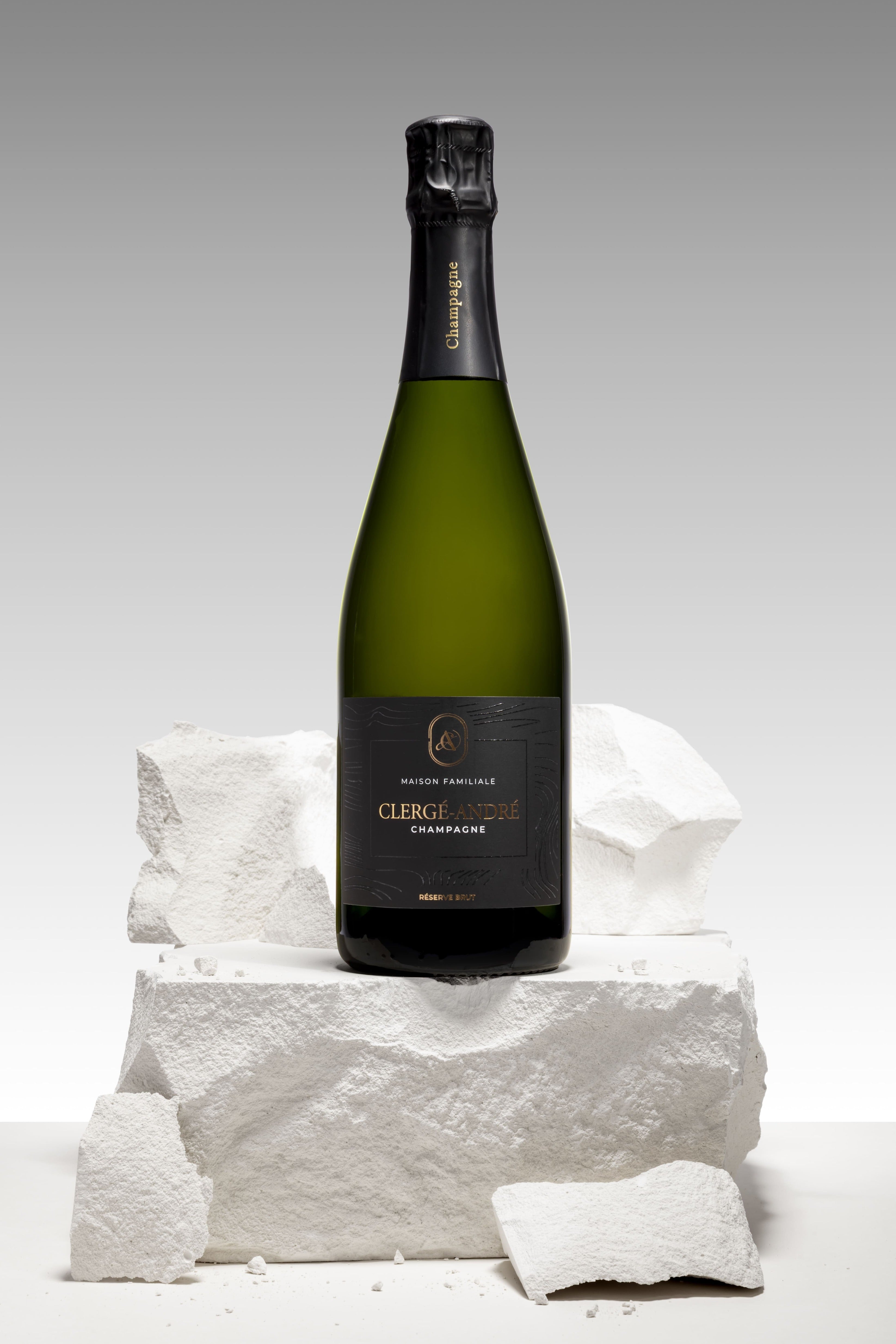
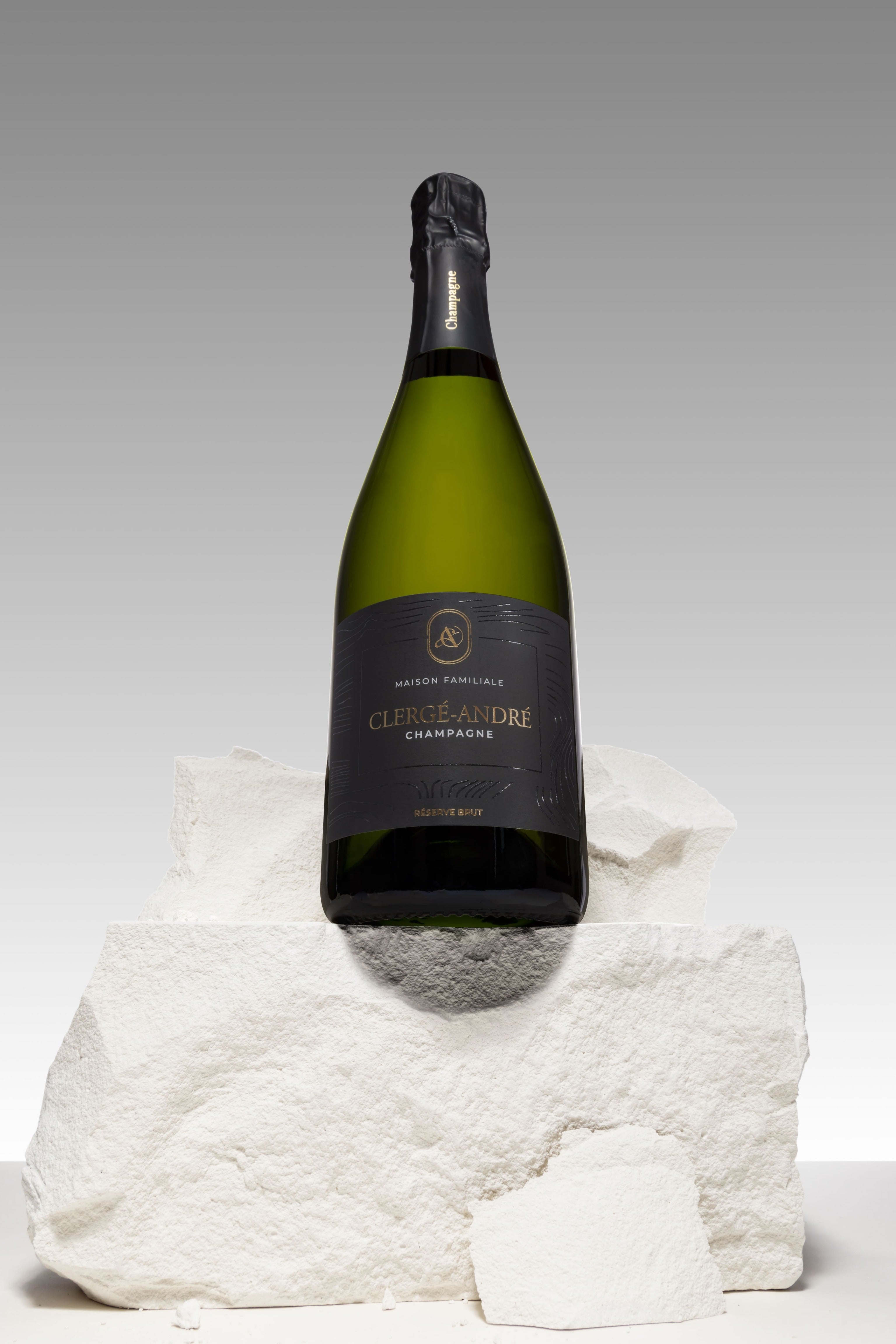
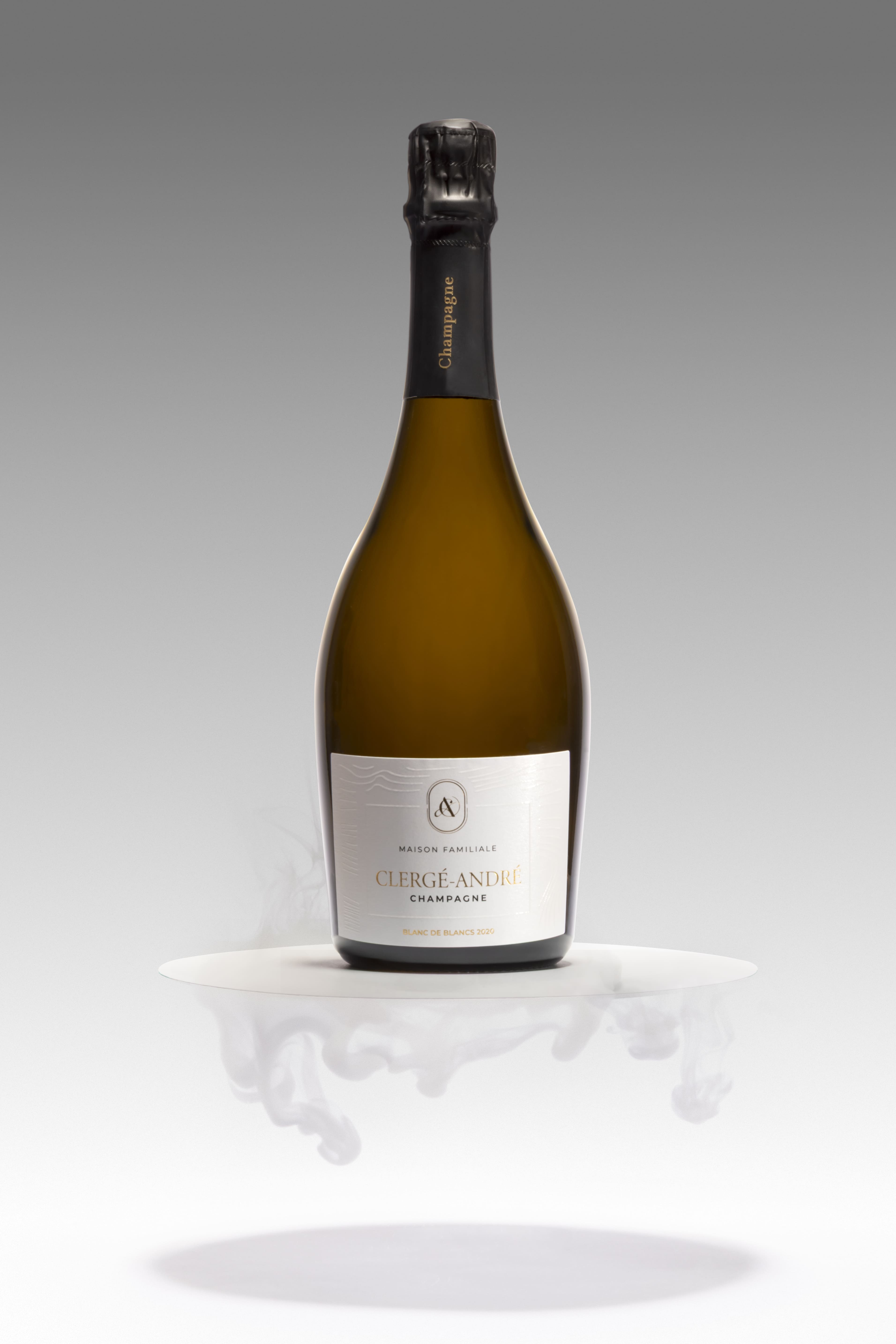
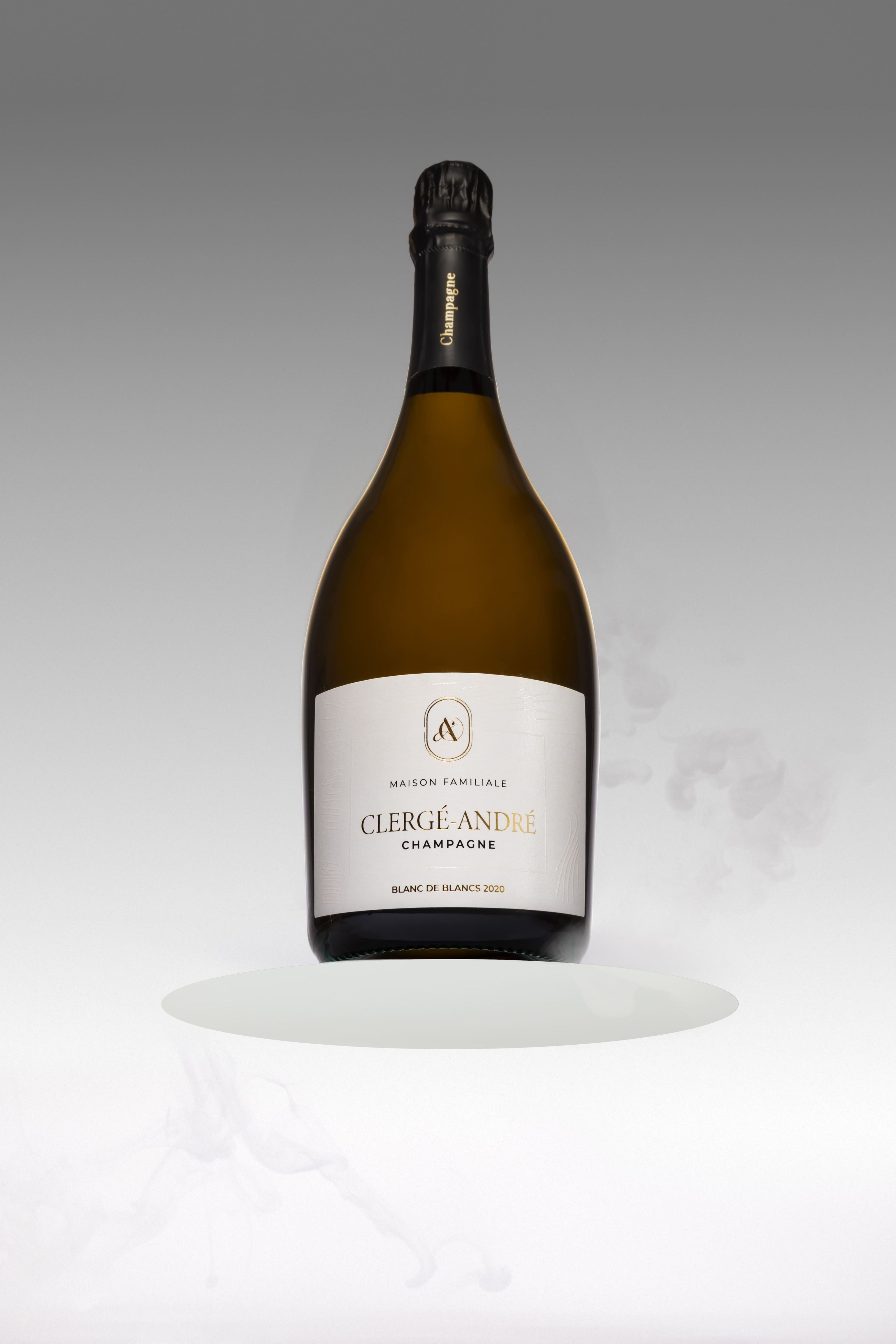
Reading a brut champagne label can seem complex. However, it's essential to making an informed choice. Look for information on the dosage and the production house to understand its profile. It's helpful to check certain key terms. The appellation specifies the characteristics of the champagne.
Take into account:
• Dosage: Indicates the sugar level.
• House/Brand: Reference to reputation.
• Vintage: Year of harvest if specified.
• Appellation: Indicates the region of origin.
Brut Champagne Prices: understanding the price differences
The price of brut champagne can vary considerably. Several factors influence these price differences. Among them, the brand's reputation and the terroir of origin are determining factors. The aging process also plays a role. The longer a brut champagne ages, the higher its price. Limited editions or vintages often command higher prices.
Some things to watch out for:
• Brand reputation: Strongly influences the price.
• Vintage: Specific harvest year, often more expensive.
• Production quantity: Small productions, often more expensive.
Tips for choosing the right brut champagne for the occasion
Selecting the right brut champagne depends on the event you're celebrating. A romantic dinner deserves a refined cuvée, while a joyful celebration may require something more sparkling. Consider the flavor that will best complement the desired atmosphere. Also consider your budget and the number of guests.
Here are some quick tips:
• Weddings: Choose a house that offers sought-after vintages.
• Family reunions: Choose an affordable but quality vintage.
• New Year’s Eve: Choose a more intense brut to mark the moment.
Storage tips and mistakes to avoid
To optimally store your brut champagne, follow a few simple guidelines. Store your bottles lying down in a cool, dark place. Avoid temperature fluctuations and exposure to light.
Here are common mistakes to avoid:
• Store upright for too long.
• Leave the bottle in the refrigerator after opening.
• Open with sudden movements.
Conclusion: choosing your brut champagne carefully
Choosing the perfect brut champagne may seem complex, but it's still accessible. Considering taste, price, and occasion will help you make an informed choice. Follow these tips and you'll savor every bubble!