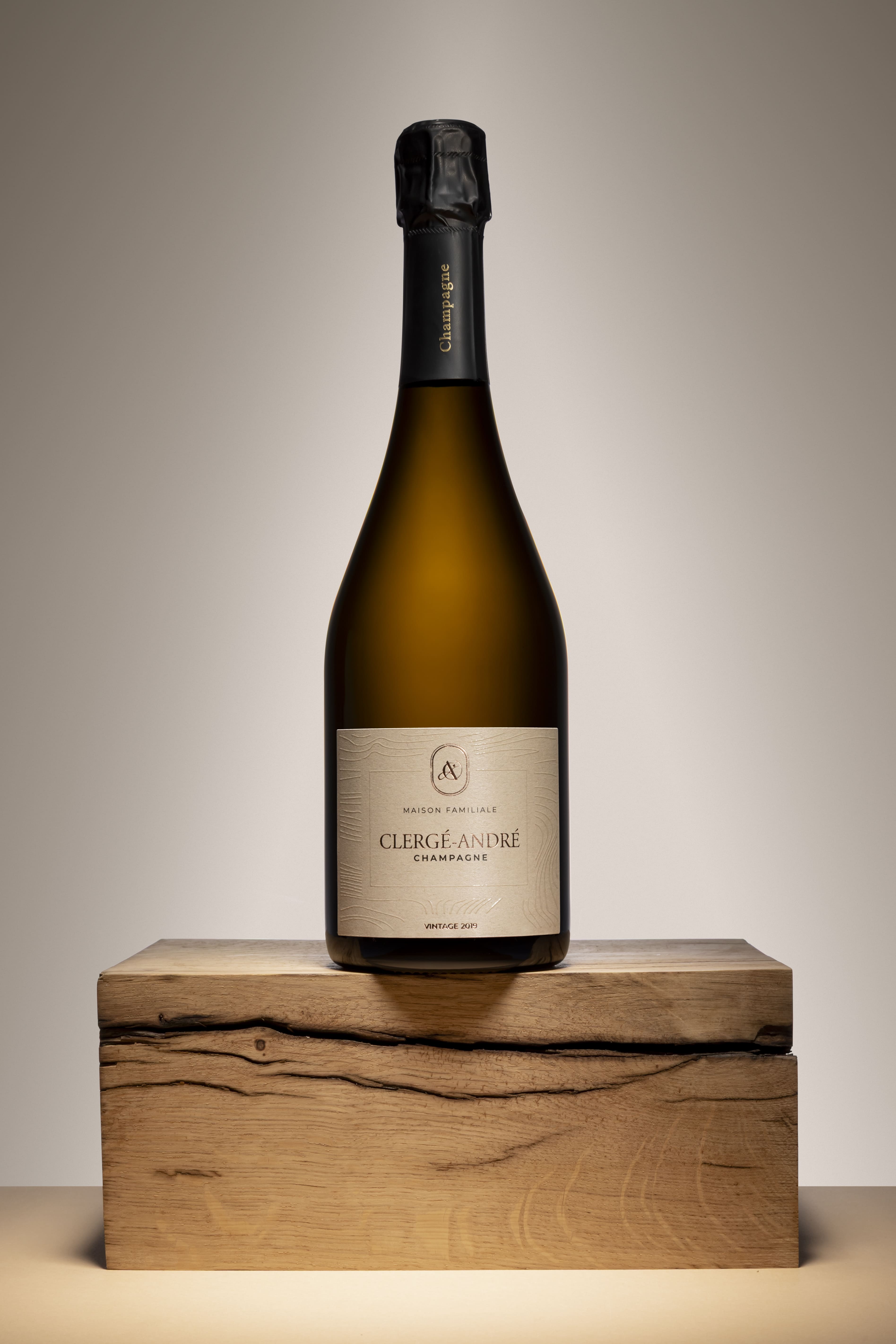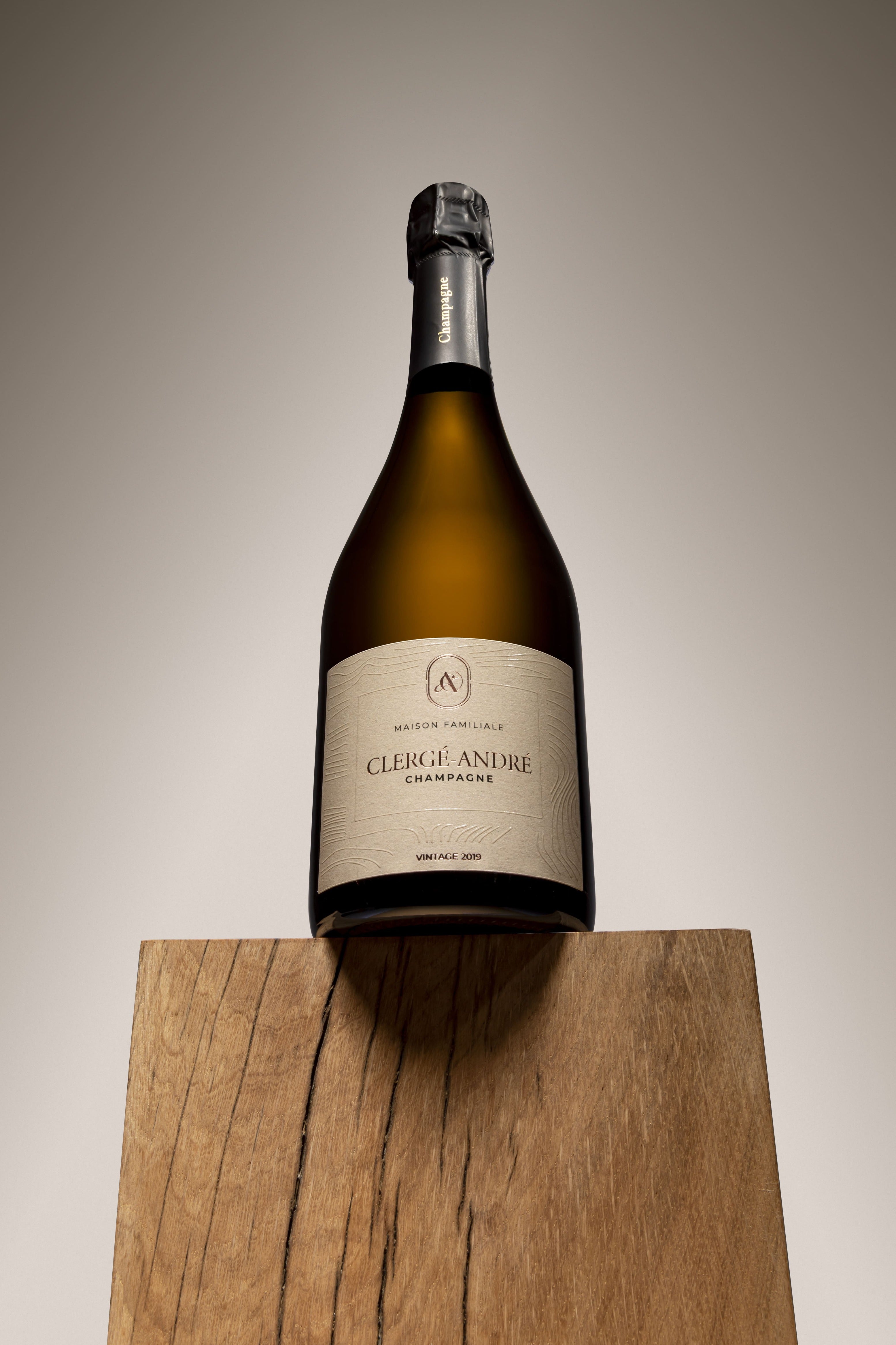


The art of blending in champagne
Champagne is much more than just a sparkling drink. It's a symbol of celebration and refinement. But how is champagne made? The art of blending plays a central role in its creation. This crucial step in champagne making involves mixing different base wines. Each champagne house has its own secret recipe.
Blending creates a unique product that reflects expertise and tradition. It also ensures consistent quality year after year. Understanding blending is a step into the heart of champagne making. It's a way to discover how cellar masters transform grape varieties into an unforgettable sensory experience.
Blending: a key step in the production of champagne
Blending is at the heart of Champagne making. It involves combining various base wines to create a harmonious final product. It is a demanding process, requiring expertise and intuition. Champagne houses primarily use three grape varieties: Chardonnay, Pinot Noir, and Pinot Meunier. Each grape variety brings its own personality and influences the profile of the Champagne. Blending these base wines requires great skill.
This ancestral art allows for consistent quality to be maintained despite annual climatic variations. Each house's blends reflect their unique signature, guaranteeing recognition and tradition.
Here are some key elements of the assembly:
• Blend of wines from different grape varieties
• Possible inclusion of reserve wines
• Maintaining consistency and quality
Blending isn't just a technique; it's a true art. It influences the taste, aroma, and texture of the champagne. Ultimately, it offers a distinct sensory richness unique to each champagne house.
Grape varieties and basic wines: the cellar master's palette
To create an exceptional champagne, the cellar master has a diverse palette at his disposal. This palette consists of base wines made primarily from three grape varieties. Each brings unique characteristics, offering an infinite variety of combinations.
Chardonnay brings freshness and finesse to Champagne. Pinot Noir provides structure and power, while Pinot Meunier adds a delicate fruitiness. These grape varieties form the basis of Champagne creations.
The cellar master carefully selects the wines for blending. He plays with proportions to express the uniqueness of each vintage.
Here is a list of the main roles of grape varieties:
• Chardonnay: Elegance and finesse
• Pinot Noir: Structure and richness
• Pinot Meunier: Fruity and round
Each choice influences the identity of the champagne, making the blend unique. The cellar master's work is crucial to achieving this delicate balance.
The blending process: how each house's unique champagne is made
Blending in champagne production is a symphony orchestrated by the cellar master. This crucial step comes after the fermentation of the base wines. It involves mixing different wines to create a distinct cuvée. Each champagne house develops a secret recipe. This often involves using reserve wines to enrich the flavor. This practice also helps ensure increased complexity. The process involves several stages. After the wines are selected, blind tastings are held. The cellar master then decides on the ideal composition of the vintage.
Here's an overview of the key steps:
• Selection of basic wines
• Organization of tastings
• Decision on the proportions of wines
• Final blend of the vintage
Once blending is complete, bottling follows. The second fermentation that follows gives the champagne its characteristic bubbles. It is this passion for detail that shapes the unique character of each house.
The influence of blending on the style and quality of champagne
Blending plays a fundamental role in the style of Champagne. It is this step that determines the flavor and aroma profile. Champagne houses strive to create unique experiences. Each grape variety brings its own unique characteristics. Chardonnay provides finesse and liveliness. Pinot Noir offers structure and intensity, while Pinot Meunier adds roundness and fruitiness.
Thus, the blend influences various aspects of champagne:
• Taste and aroma
• Texture and foam
• Aging potential
The choice of grape variety proportions is strategic. The result is a harmonious and balanced product. It is thanks to blending that the diversity of champagne styles is possible.
Assembly and consistency: guaranteeing the house's signature
Blending is essential to maintaining the unique signature of each Champagne house. By incorporating different base wines, the houses succeed in creating a consistent flavor profile from year to year, despite climatic variations. Cellar masters play a crucial role in this process. Their expertise allows them to select the wines that will make up the blend, thus preserving the distinctive characteristics of the house.
This approach is essential to meet the expectations of champagne lovers, who seek continuity in their favorite aromas.
For champagne houses, this consistency is a priority. It allows them to differentiate on the market and build customer loyalty in search of quality and a strong identity.
Innovations, traditions and contemporary challenges of assembly
Blending in champagne is a subtle balance between tradition and innovation. Champagne houses rely on centuries-old methods while adopting new technologies to perfect their blends. Contemporary challenges include climate change and evolving consumer preferences. Research is underway to adapt blending to fluctuations in wine yields and growing expectations for sustainability.
Here are some recent impacts on assembly:
• Ecological techniques
• Adaptation to changing climatic conditions
• Integration of cutting-edge technologies
• Response to new market trends
While some houses innovate, others firmly uphold their ancestral traditions. Finding the right balance allows for preserving authenticity while meeting modern demands.
Blending in the production of rosé champagne
Blending plays a crucial role in the creation of rosé champagne. This wine is obtained through the delicate combination of white and red wines. This gives rosé its distinctive color and unique flavors.
Two main methods are used to create rosé champagne:
• Blend of red and white wines
• Limited maceration of black grapes
Thanks to these techniques, the houses are able to offer rosés with varied nuances. This allows them to satisfy the diverse expectations of champagne lovers.
Blending, the heart of champagne production
Blending is a central step in the production of champagne. It shapes its unique character and preserves the traditions of the houses. This ancestral know-how guarantees the longevity and quality of a wine prized worldwide for its fine and its elegance.