

How many flutes in a bottle of champagne?
Champagne is synonymous with celebration, sophistication, and memorable moments. Whether it's for a wedding, birthday, or special occasion, it's important to know how many flutes you can fill with a bottle of champagne. This information will help you plan your events more efficiently and avoid last-minute surprises.
Understanding the capacity of champagne bottles
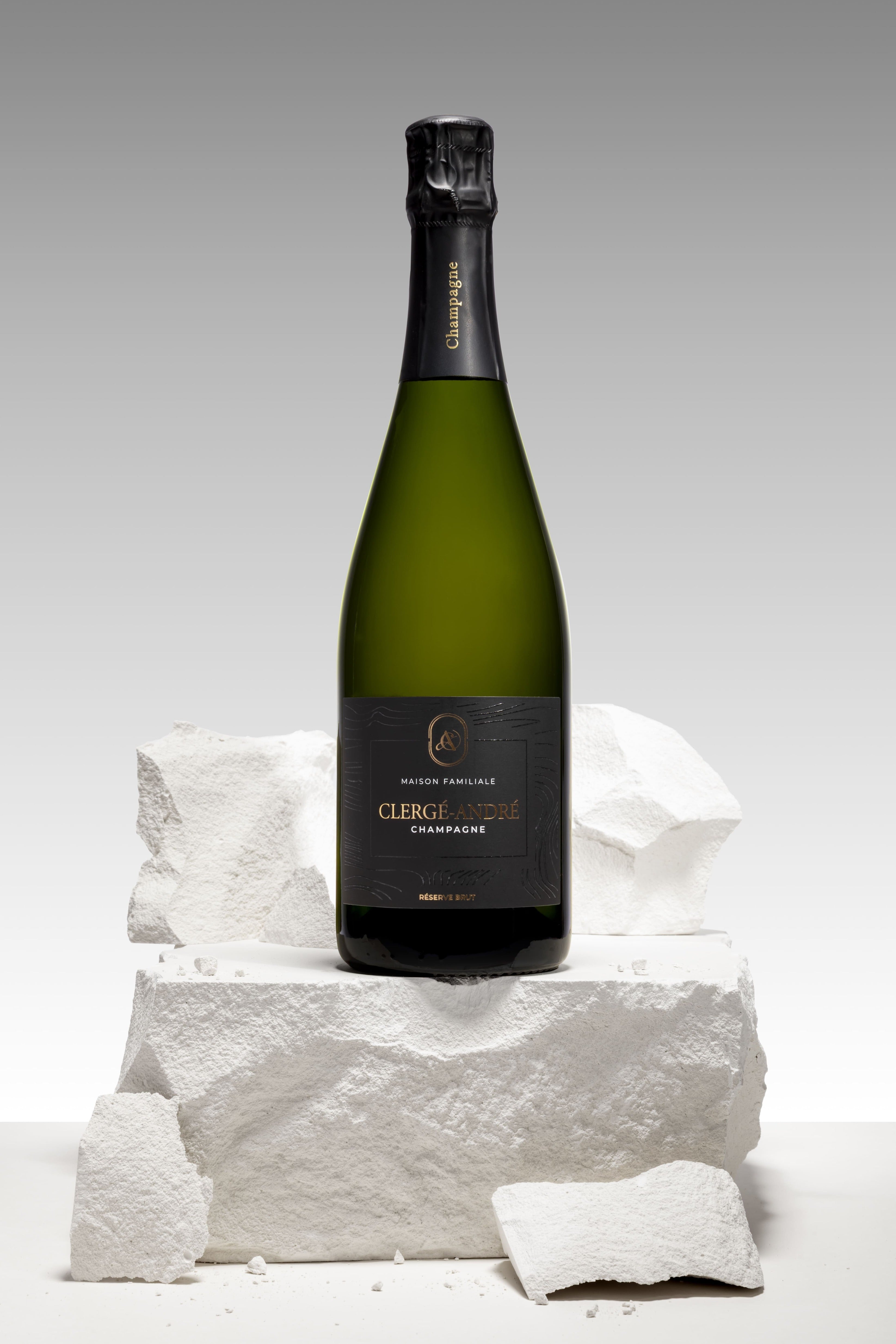
Before answering the question, it is essential to understand the typical capacity of a champagne bottle. The standard size for a champagne bottle is 750 milliliters. However, there are also other bottle sizes, ranging from small formats like the quart (187.5 ml) to larger formats like the magnum (1.5 liters) or the jeroboam (3 liters).
Why is the flute the preferred choice?
The champagne flute is the most commonly used glass for serving this sparkling wine. Its slender shape helps preserve the bubbles longer, enhancing the tasting experience. Additionally, it is designed to concentrate the aromas toward the nose, allowing for a better appreciation of the subtle nuances of the champagne.
How many flutes are in a standard bottle of champagne?
For a standard 750ml bottle of champagne, the answer depends on the size of the flutes used. Typically, a champagne flute has a capacity of 125 to 150 milliliters.
Here's how it translates:
• With a 125 ml flute: You can fill approximately 6 flutes.
• With a 150 ml flute: You can fill approximately 5 flutes.
However, it is common to fill flutes only half or two-thirds full to avoid overflows and allow guests to enjoy the aromas. This means that you could get up to 8 flutes from a single bottle if you serve larger portions small.
Factors influencing the number of flutes
Event type
The type of event may influence the amount of champagne you serve. For a toast, you might opt for smaller portions, while for a dinner party, you might serve more generous portions.
Type of champagne
Brut or dry champagne is often served in smaller quantities due to its complexity and richness. On the other hand, a sweeter champagne might be served in slightly larger quantities.
Personal preferences
Your guests' personal preferences can also play a role. Some people prefer to sip their champagne slowly, while others might prefer more frequent refills.
Calculations for other bottle sizes
Magnum (1.5 liters)
A magnum holds twice the amount of a standard bottle, or 1.5 liters or 1500 milliliters. This means you can fill approximately 12 125 ml flutes or 10 150 ml flutes.
Jeroboam (3 liters)
A jeroboam holds 3 liters, the equivalent of four standard bottles. You can therefore fill approximately 24 125 ml flutes or 20 150 ml flutes.
Tips for serving Champagne
Serving temperature
Champagne should be served well chilled, ideally between 8 and 10 degrees Celsius. Too high a temperature can alter the taste, while too low a temperature can prevent the aromas from releasing.
Service technique
When serving champagne, tilt the flute slightly and pour slowly to avoid excessive foaming. This will help preserve the bubbles and provide an optimal tasting experience.
Storing champagne
Store your champagne bottles in a cool, dark, and horizontal place. This will help maintain the quality of the wine until it is ready to serve.
Conclusion
In short, the number of flutes you can get from a bottle of champagne depends on several factors, including the size of the flutes and the type of event. For a standard 750 ml bottle, you can generally fill between 5 and 8 flutes, depending on the serving size. Keep your guests' preferences and the occasion in mind when determining the appropriate amount to serve. With this information, you'll be well prepared to make your next celebration a sparkling success!