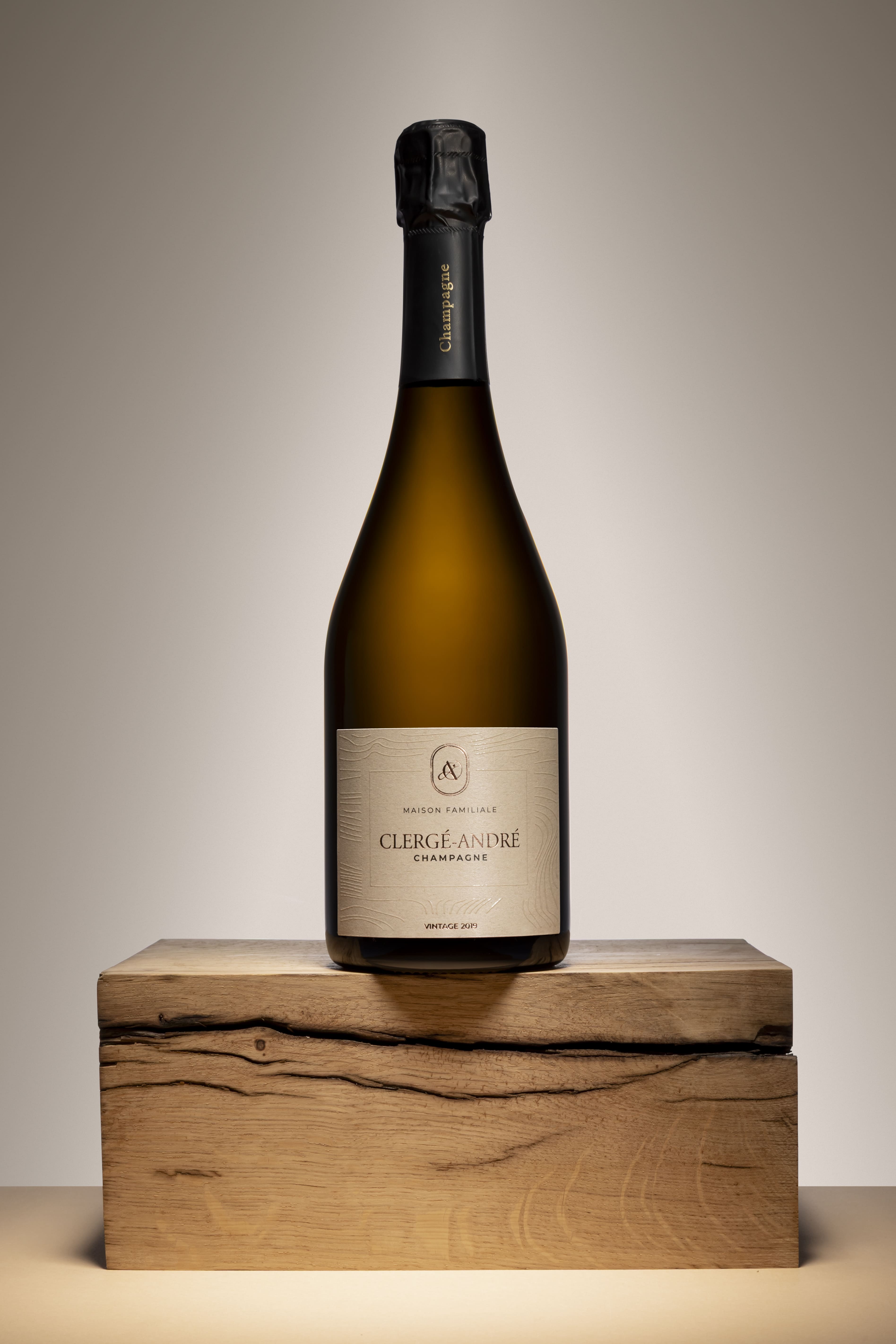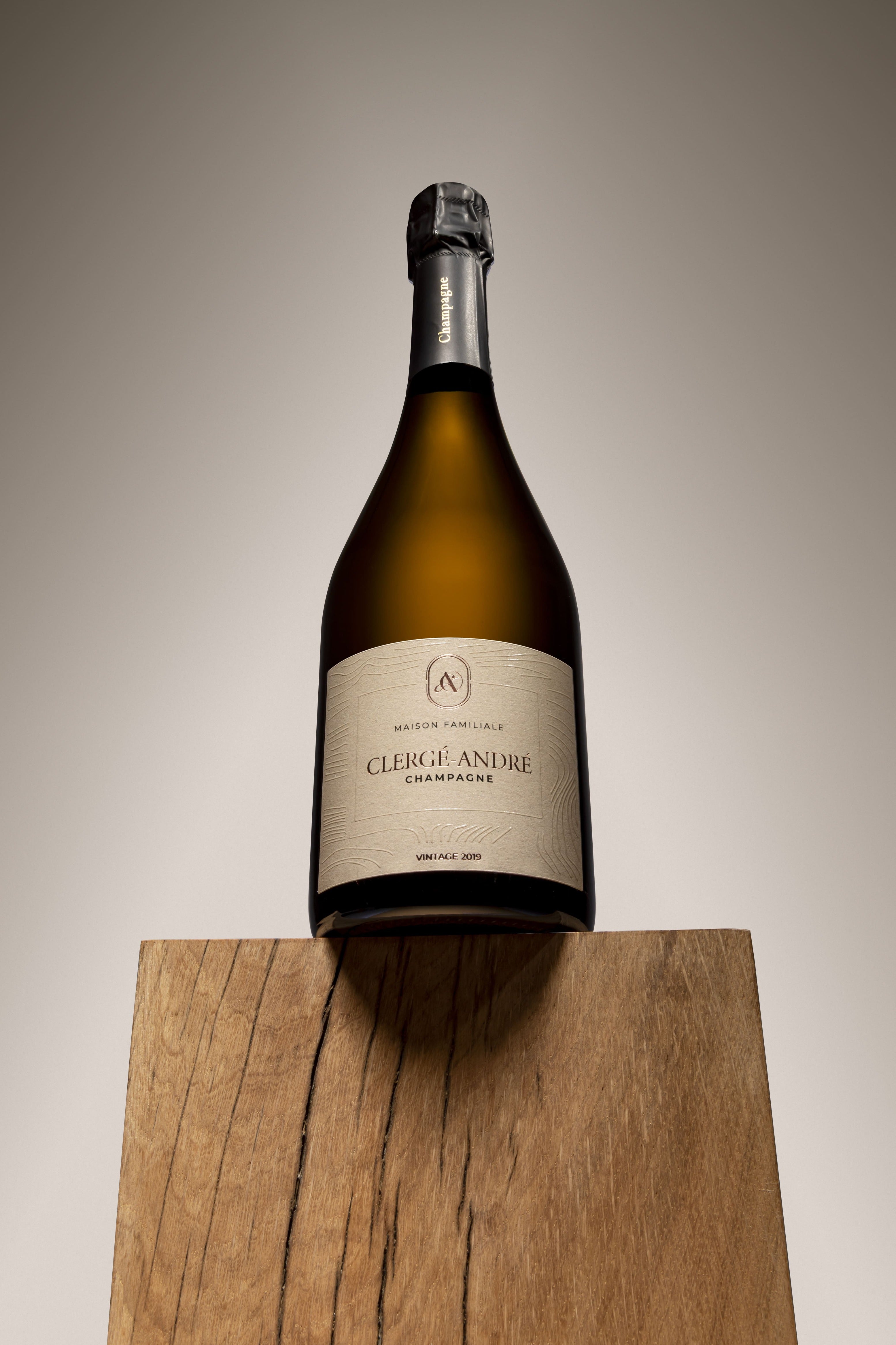


Champagne vintage: between elegance and rarity
Vintage champagne embodies elegance and refinement. Each bottle tells a unique story, shaped by the year of its harvest. Unlike non-vintage champagnes, these sparkling wines come from a single exceptional year. This gives them a distinctive character and unparalleled complexity. Wine lovers and collectors particularly appreciate these vintages for their rarity and quality. They are often associated with moments of celebration and luxury.
Understanding what makes a champagne vintage so special requires an exploration of its production process and climatic conditions. These factors greatly influence the taste and value of each bottle. Let's dive into the fascinating world of vintage champagne, where each year reveals its secrets.
What is a champagne vintage?
A vintage champagne is a unique expression of the terroir and the harvest year. Unlike blends from different vintages, it comes exclusively from grapes harvested in the same year. This practice highlights the climatic and geographical characteristics.
Winemakers only declare a vintage in exceptional years. This ensures that only the highest-quality grapes are used. The result is a wine that reflects the distinctive characteristics of its year of production. Production of vintage champagne is often limited, making it a sought-after find for connoisseurs. Its rarity and complexity make it ideal for special events.
Characteristics of a vintage champagne:
• Grapes from the same year
• Harvests of exceptional quality
• Limited edition
• Unique taste profile
These wines offer a more intense and nuanced palette of flavors. They are a perfect choice for those seeking a rich tasting experience.
The process of creating a vintage champagne
The creation of a vintage champagne begins with a rigorous selection of grapes. Winemakers select the finest bunches from ideal climatic conditions. Each step requires meticulous attention to capture the essence of the year. Vinification follows traditional and precise methods. Fermentation is slow to preserve delicate aromas. The wines then age on lees, often for several years, to develop complex flavors.
This lengthy process results in a champagne unique in taste and character. Producers use only the finest tools and techniques to ensure exceptional quality.
Key steps in the process include:
• Selection of quality grapes
• Slow and careful fermentation
• Prolonged aging on lees
• Carefully bottled
Thanks to these methods, each bottle of vintage champagne tells the story of a
specific year. It is a tribute to excellent viticulture.
Exceptional years: table of champagne vintages
Exceptional vintages mark the world of champagne with their rarity and quality. Not every year is necessarily called a vintage. Only harvests in favorable years are distinguished. The table of champagne vintages offers a valuable guide for enthusiasts. It makes it easy to identify famous years. Vintages like 1988, 1996, and 2002 are among the most sought-after.
Understanding this chart helps you choose valuable champagnes. These years are often characterized by ideal climatic conditions. They produce vintages of unparalleled quality.
List of exceptional years:
• 1979
• 1988
• 1996
• 2002
• 2008
These vintages become treasures for collectors and discerning palates. They offer an extraordinary tasting experience and a unique sensory journey. Connoisseurs appreciate every sip of these special years.
Vintage vs. Non-Vintage Champagne: what are the differences?
Vintage champagne is distinguished by its production being limited to years of exceptional quality. Non-vintage champagne, on the other hand, is blended from wines from different years. This ensures consistent quality from year to year.
The main differences between these two types of champagne are notable:
• Expressive terroir: The vintage fully expresses the characteristics of the year.
• Complexity: Aromas are often more complex in a vintage.
• Storage: Vintage wines can be stored longer than non-vintage wines.
These contrasts make vintage champagne a prestigious choice for connoisseurs.
warned.
Factors that influence the price of vintage champagne
The price of vintage champagne can vary widely depending on several key factors. The rarity of a particular vintage plays a crucial role. The more limited the production, the higher the price tends to be. Other factors also determine the value of these exclusive champagnes.
Here are some of the main ones:
• Quality of the year: A good champagne year directly impacts the perception of quality.
• House reputation: Houses with reputations often command higher prices.
• Market Demand: Trends and reviews influence price fluctuation
How to choose a good vintage champagne?
Choosing a good champagne A vintage can transform any occasion into a memorable moment. To make the right choice, it's essential to consider several factors. Knowing the best Champagne years helps you select the ideal bottle. When shopping, consult expert reviews and vintage charts. These resources provide valuable information on the best years.
Here are some helpful tips to guide you:
• Analyze the vintage table to identify exceptional years.
• Read reviews from renowned sommeliers and experts.
• Try different terroirs to appreciate the diversity of flavors.
Storage and tasting advice
Properly storing vintage champagne is essential to preserving its quality. Store bottles lying down in a cool, dark place. This prevents oxidation and preserves the flavors. Enjoying vintage champagne requires a delicate approach.
Follow these steps for the best experience:
• Temperature: Serve between 8 and 10°C.
• Glass: Use flutes to capture aromas.
• Opening: Be careful not to disturb the bubbles.
Invest and celebrate with vintage champagne
Investing in vintage champagne can be lucrative. The rarity and quality of vintages increase their value over time. This is a unique opportunity for savvy collectors. Vintage champagne is more than just an investment. It's also a perfect choice for celebrating special occasions.
Here's why:
• Prestige: A symbol of luxury during events.
• Quality: Every sip offers an unforgettable experience.
• Inheritance: Pass on a precious heritage to the next generation.
Conclusion: the art of good year champagne
The Champagne vintage represents a harmony between art and nature. Exceptional years create unique and memorable wines. Choosing and savoring a good Champagne vintage is a rich experience. It's a celebration of elegance and winemaking expertise. Discover the art of vintage winemaking and enrich your celebratory moments.