

Champagne, a French art of living
Degrees in champagne: impact on tasting
Champagne , the world-renowned French sparkling wine, is much more than just a sparkling drink. Tasting it is a unique sensory experience that reflects French savoir-faire. The alcohol content of the product plays a crucial role in this experience. Understanding the impact of champagne wine's alcohol content is essential to appreciating its nuances. Alcohol influences the structure and flavors of champagne. The serving temperature of champagne is equally important; it can transform the perception of taste. Serving champagne at the right temperature reveals its finesse and elegance. An improper temperature can mask its subtleties.
In this article , we'll explore how alcohol content and temperature affect the tasting of Champagne. You'll discover tips to optimize your tasting experience.
Understanding the alcohol levels in a bottle of champagne
Champagne is a refined beverage, typically containing between 12% and 13% alcohol. This percentage is crucial because it affects the perception of the aromas and structure of the champagne. Alcohol adds body and warmth to the product's palate. An optimal level helps maintain the balance between freshness and complexity of the champagne. It is this balance that makes champagne so enjoyable during tasting. Different types of champagne may have slight variations in alcohol content.
These variations depend on the grape varieties used and the fermentation conditions of the champagne.
Here are some distinctions:
• Brut Champagne : Generally around 12% alcohol.
• Rosé Champagne : Slightly sweeter, close to 12.5%.
• Vintage Champagne : Often more structured, sometimes up to 13%.
These degrees are carefully controlled by the winemakers . They ensure that each bottle of Champagne offers a faithful expression of its terroir . Thus, understanding the alcohol content helps you better savor each sip.
Influence of alcohol content on champagne tasting
The alcohol content of champagne plays a fundamental role in the tasting experience. It influences not only the taste, but also the perception of effervescence. A champagne with a well-balanced alcohol content highlights its flavor without masking it. An alcohol content that is too high, on the other hand, can overpower the palate and give an impression of heaviness. Finding the right balance is therefore crucial.
Here are some possible impacts of alcohol content on champagne wine and fermentation :
• Deeper aromas: Moderate alcohol reveals secondary aromas.
• Texture and body: It provides an elegant structure in the mouth.
• Length in the mouth: A good alcohol content provides a nice persistence.
Champagnes with higher alcohol content are often perceived as more full-bodied. This characteristic may appeal to some, especially in specific gastronomic contexts. Ultimately, choosing a champagne with controlled alcohol can enrich the tasting experience and make it unforgettable.
Ideal serving temperature for champagne

The serving temperature of Champagne is crucial to appreciating its flavors. An inappropriate temperature can alter the tasting experience. Champagne is ideally served between 8°C and 10°C. This range allows the aromas to fully express themselves, without being masked by an intense cold sensation. If the Champagne is too hot, the alcohol may become overly present.
Different types of champagne require subtle temperature adjustments. For example, younger champagnes may be slightly cooler , while vintages sometimes require a more temperate temperature.
List of recommended temperatures for champagne:
• Brut Champagne : 8-10°C
• Rosé champagne : 10-12°C
• Vintage Champagne : 10-12°C
In addition to serving temperature, the choice of glass also influences the tasting of Champagne . Flutes concentrate the flavor better, thus enriching the sensory experience. Finally, remembering that the ambient environment may require temperature adjustments helps optimize the tasting.
Effects of temperature on aromas and perception of alcohol in champagne
Temperature plays a critical role in the perception of the taste of Champagne wine . A Champagne temperature that is too low can stifle its aromatic subtleties. The delicate aromas remain captive, camouflaged by excessive cold.
In contrast, champagne served at a higher temperature risks over-emphasizing the alcohol. This can mask the refined flavors and harm the wine 's balance. The taste becomes heavier, losing finesse and brightness.
List of effects related to the temperature of champagne:
• Mask the taste at low temperature.
• Accentuate alcohol at high temperature.
• Change the mouthfeel.
To fully enjoy the nuances of champagne, adjusting the temperature is essential. This adjustment allows the full complexity of the aromas to be revealed and maintains the desired balance between alcohol and flavor.
Practical tips for serving and tasting champagne
For optimal tasting, the choice of glass is essential. Flutes are ideal for concentrating delicate aromas. They also preserve the bubbles , adding to the sensory experience. Serving champagne also requires gentleness. Pouring slowly minimizes excessive loss of foam and effervescence. This allows you to fully savor each sip of your champagne .
List of steps for serving champagne:
• Select the appropriate glass (flute or coupe).
• Pour gently to preserve the bubbles .
• Avoid filling the glass to the brim.
To adjust the temperature of the champagne:
• Remove the champagne from the refrigerator shortly before serving.
• Leave to cool slightly in the open air if necessary.
• Use an ice bucket to keep it cool during tasting.
Pay attention to the room temperature. It can influence the tasting temperature. By controlling these aspects, the pleasure of tasting champagne is intensified.
Common mistakes to avoid when serving champagne

Certain mistakes can alter the champagne tasting experience. It's crucial to be aware of them to avoid them. The most common is serving champagne too cold.
Here are some mistakes to avoid:
• Store champagne at fluctuating temperatures.
• Freeze the champagne for rapid cooling.
• Using dirty or unsuitable glasses.
Serving champagne in warm glasses is also a common mistake. This quickly heats up the contents and alters the taste. Taking the time to properly prepare for the tasting is essential to fully enjoy the qualities of champagne.
How to recognize a very good champagne?
When looking for a prestigious champagne, several essential criteria help distinguish a quality product . Champagne, a symbol of celebration and refinement, must be chosen with care to ensure an exceptional tasting experience.
The region and the terroir of champagne
The terroir , and therefore the vintages, are fundamental to the quality of Champagne wine. The best Champagnes come from the Champagne region of France, where the climate and soil provide ideal conditions for growing the grape varieties specific to the Champagne appellation: Pinot Noir, Pinot Meunier, and Chardonnay. The mention of villages like Reims or Épernay on the label is often a guarantee of quality, signaling a high-end Champagne.
The champagne winemaking process
A better champagne is also distinguished by its winemaking process. The méthode champenoise, or traditional method, is the only authorized method for producing champagne. This process includes a secondary fermentation in the bottle , creating fine, persistent bubbles. Look for champagnes that have benefited from long aging on lees, as this enriches the complexity of the flavor.
The balance of champagne flavors
The balance between acidity, sweetness, and effervescence is crucial. A high-end champagne has a harmonious taste of fruit , flowers, and sometimes brioche or hazelnut, without any one dominating. The texture should be silky on the palate, with a creamy mousse and elegant bubbles .
The label and vintage of champagne
A champagne's label can reveal a lot about its quality. Vintage champagnes , produced from the grapes of a single exceptional year , are often considered the finest champagnes. Special or prestige cuvées , while more expensive, are made with the finest grapes and offer an unparalleled tasting experience.
What is the average price of a good champagne?
Champagne, often synonymous with luxury and celebration around the world, is a prestigious sparkling wine produced exclusively in the Champagne region of France. Its price can vary considerably depending on several factors, including the brand of the champagne house , the year of production, and the quality. Generally, the average price of a good champagne is between 30 and 60 euros, but some can cost much more.
1. The champagne brand:
Major champagne brands, such as Moët & Chandon, Veuve Clicquot, Dom Pérignon, Mumm, and Deutz Champagne, are often more expensive due to their reputation and consistent quality. These champagne houses are known for their expertise and long tradition, which is reflected in the price.
2. The vintage of the champagne:
A vintage champagne is produced from grapes harvested in a single good vintage year. This contrasts with non-vintage champagnes, which blend grapes from different years. Vintage champagnes are generally more expensive due to their rarity and superior quality.
3. The quality of champagne:
The quality of champagne is also a key factor in determining its price. Champagnes made from the finest grape varieties, such as Pinot Noir, Chardonnay, and Pinot Meunier, tend to command a higher price.
For those looking for a good Champagne without breaking the bank, entry-level Champagnes offer an excellent option. These bottles, often priced between €25 and €40, are perfect for small celebrations or as an aperitif. Mid-range Champagne, usually between €40 and €60, represents the majority of purchases. It offers excellent value for money and is ideal for special occasions. You'll find well-known brands as well as less famous but equally talented producers. Finally, top-of-the-range Champagne, which can cost €100 or more, is reserved for discerning enthusiasts and very special occasions. These bottles often come from exceptional vintages or prestige cuvées.
Choosing a good champagne depends on your personal preferences and the occasion. For a special celebration, consider a vintage champagne or a special cuvée. For less formal events, a good quality non-vintage champagne will do the trick. In conclusion, the average price of a good champagne varies depending on many factors, but with a little research, you can find a bottle that fits your budget and tastes.
What is the best champagne in terms of value for money?
Finding the best champagne can be a challenge, especially with so many options available on the market. When it comes to champagne, price doesn't always guarantee quality, and choosing wisely is essential to maximize enjoyment while staying within your budget.
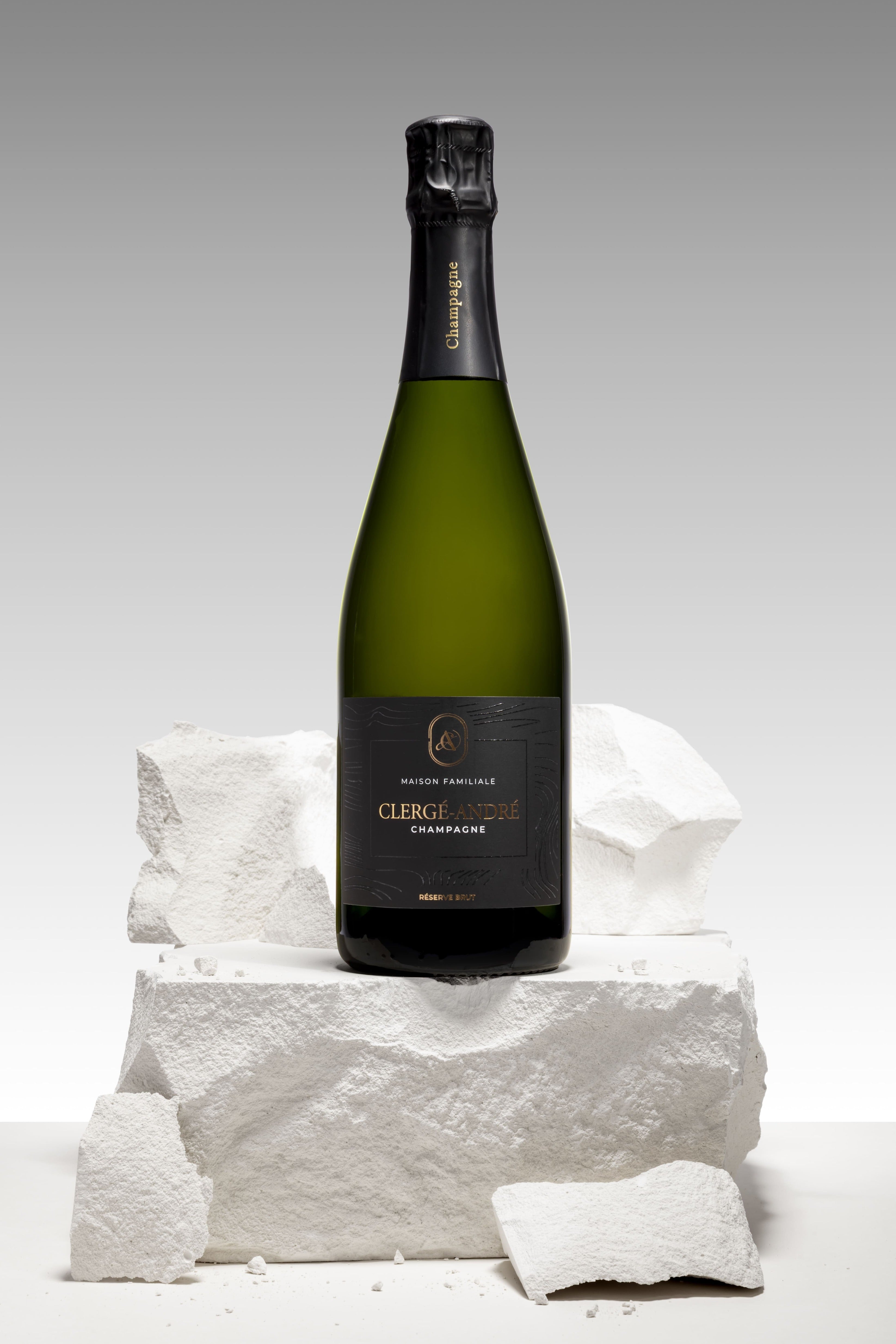
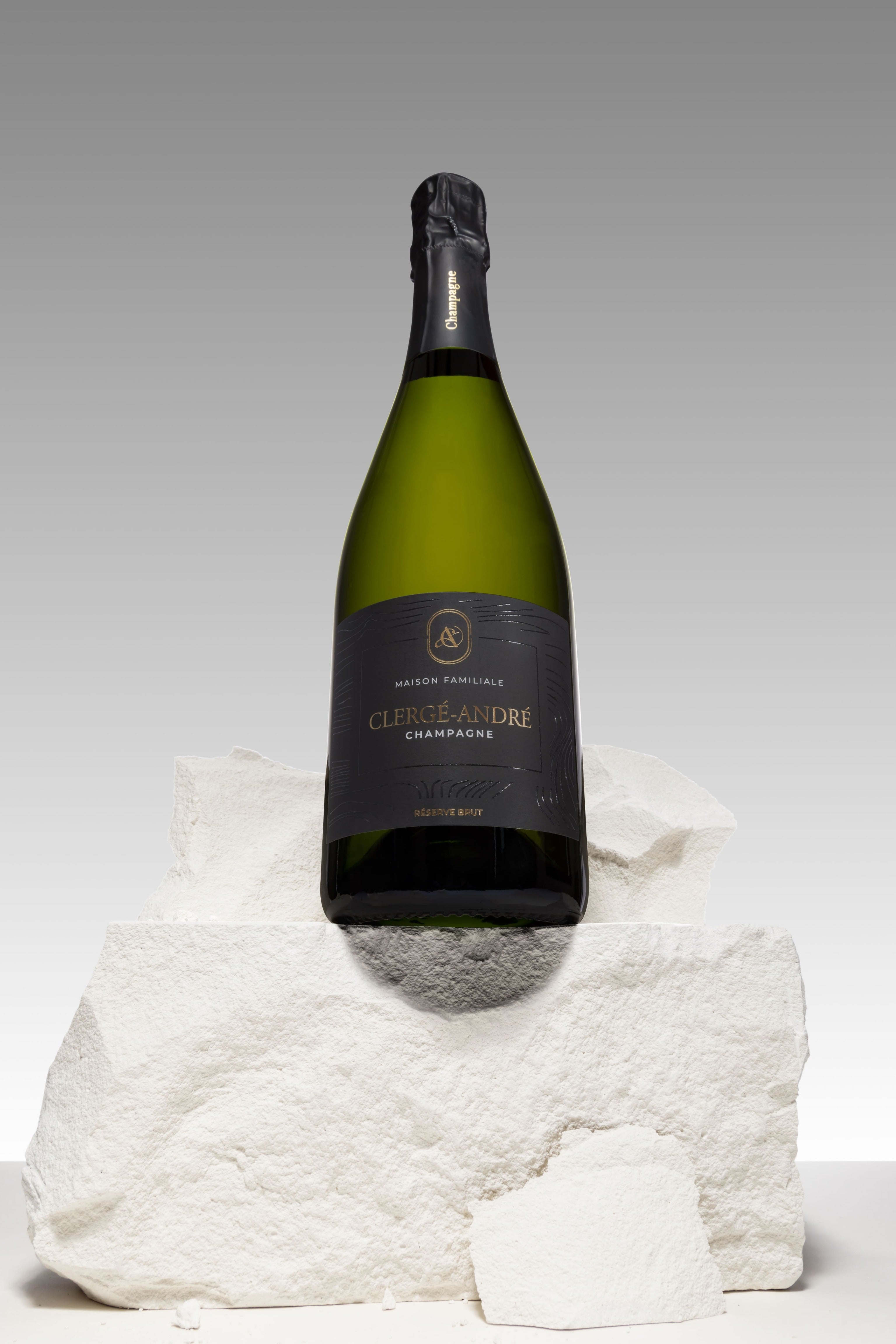
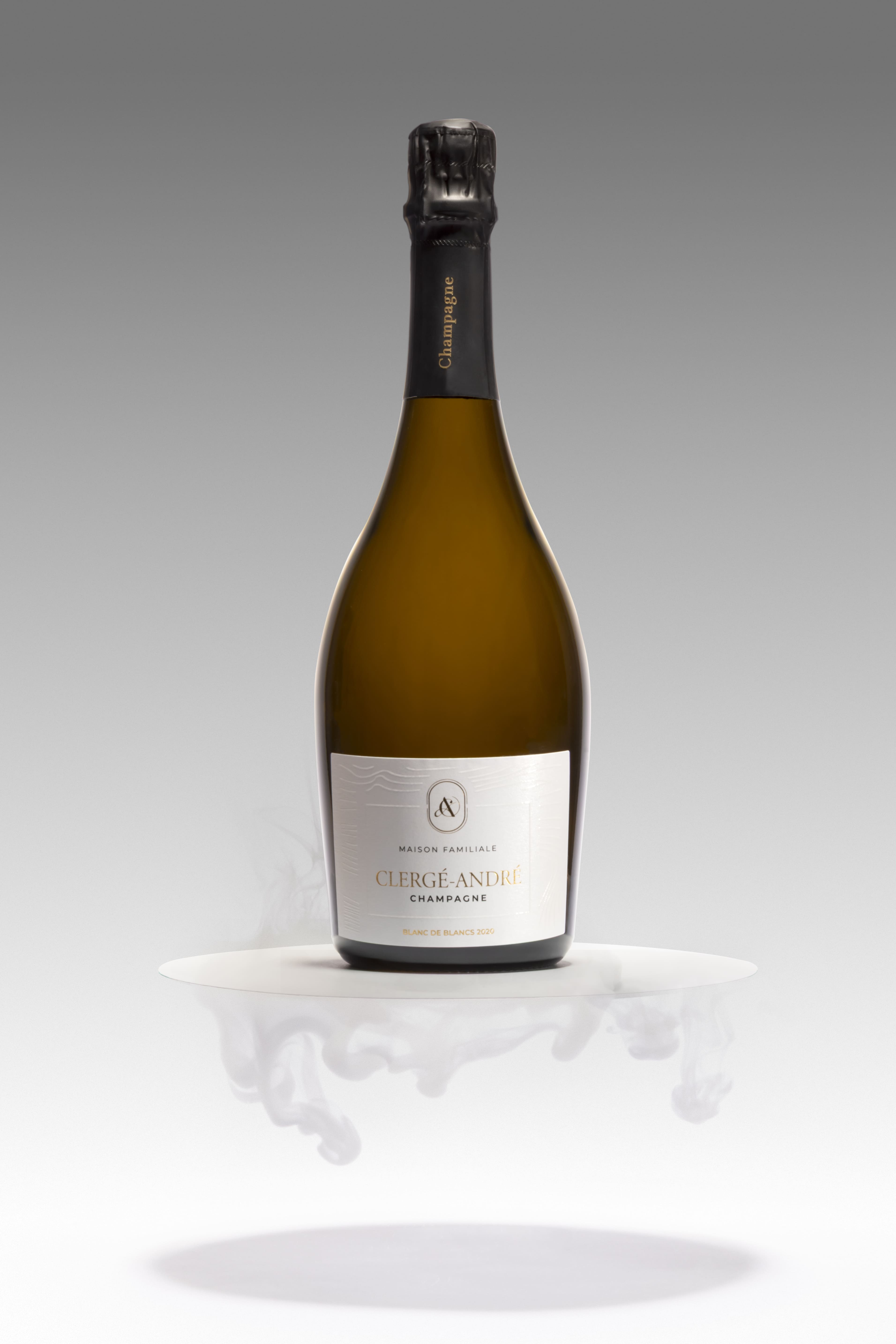
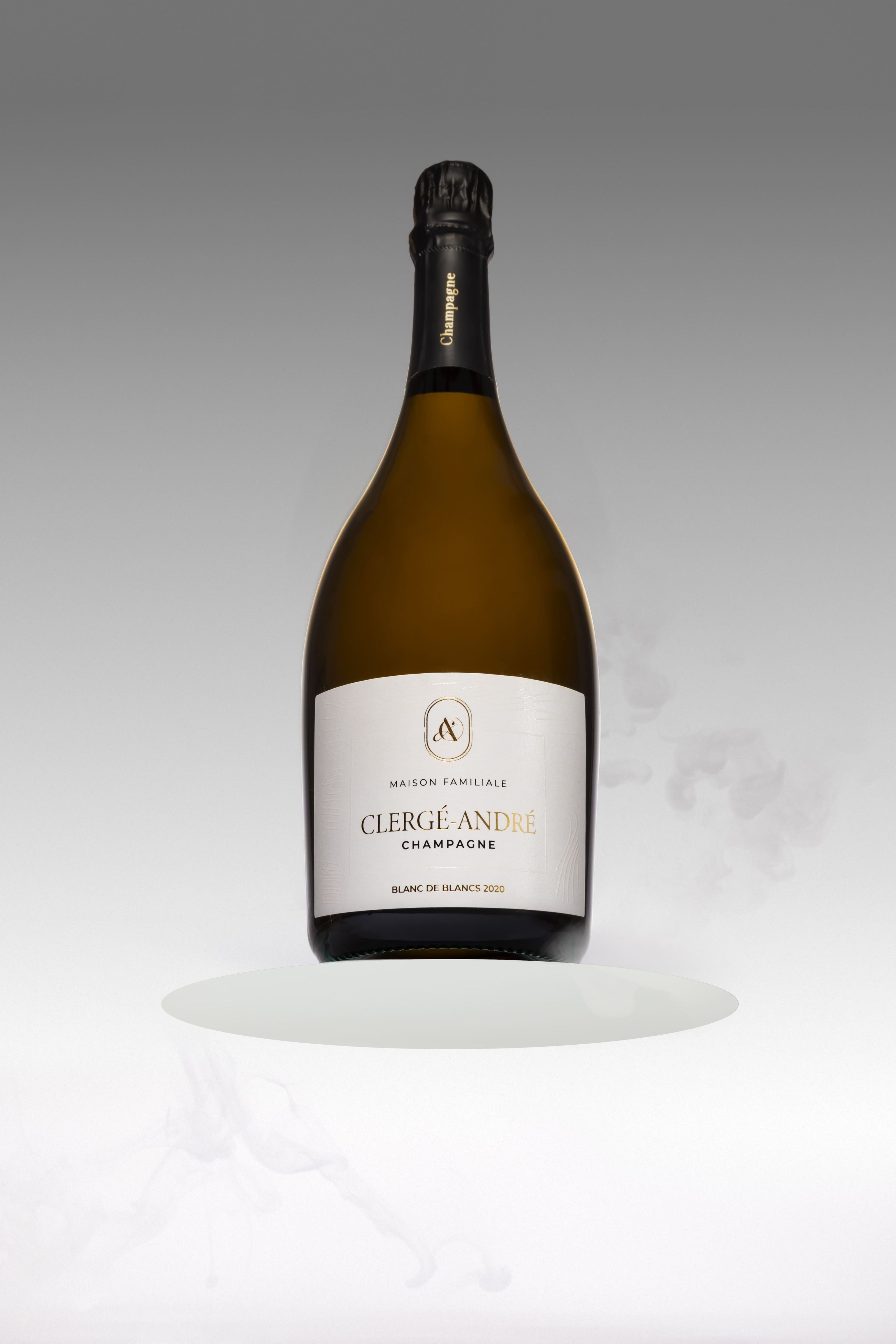
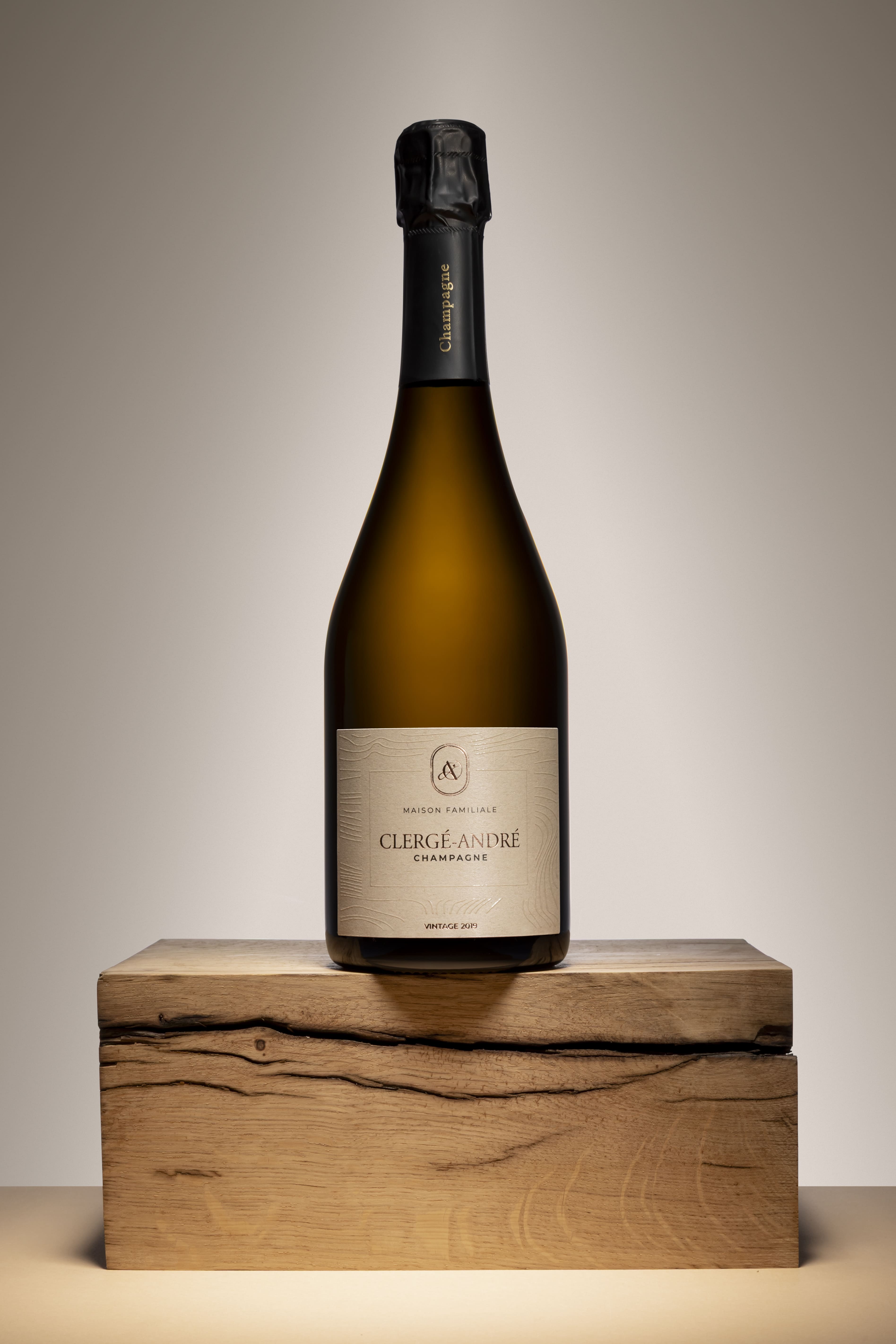
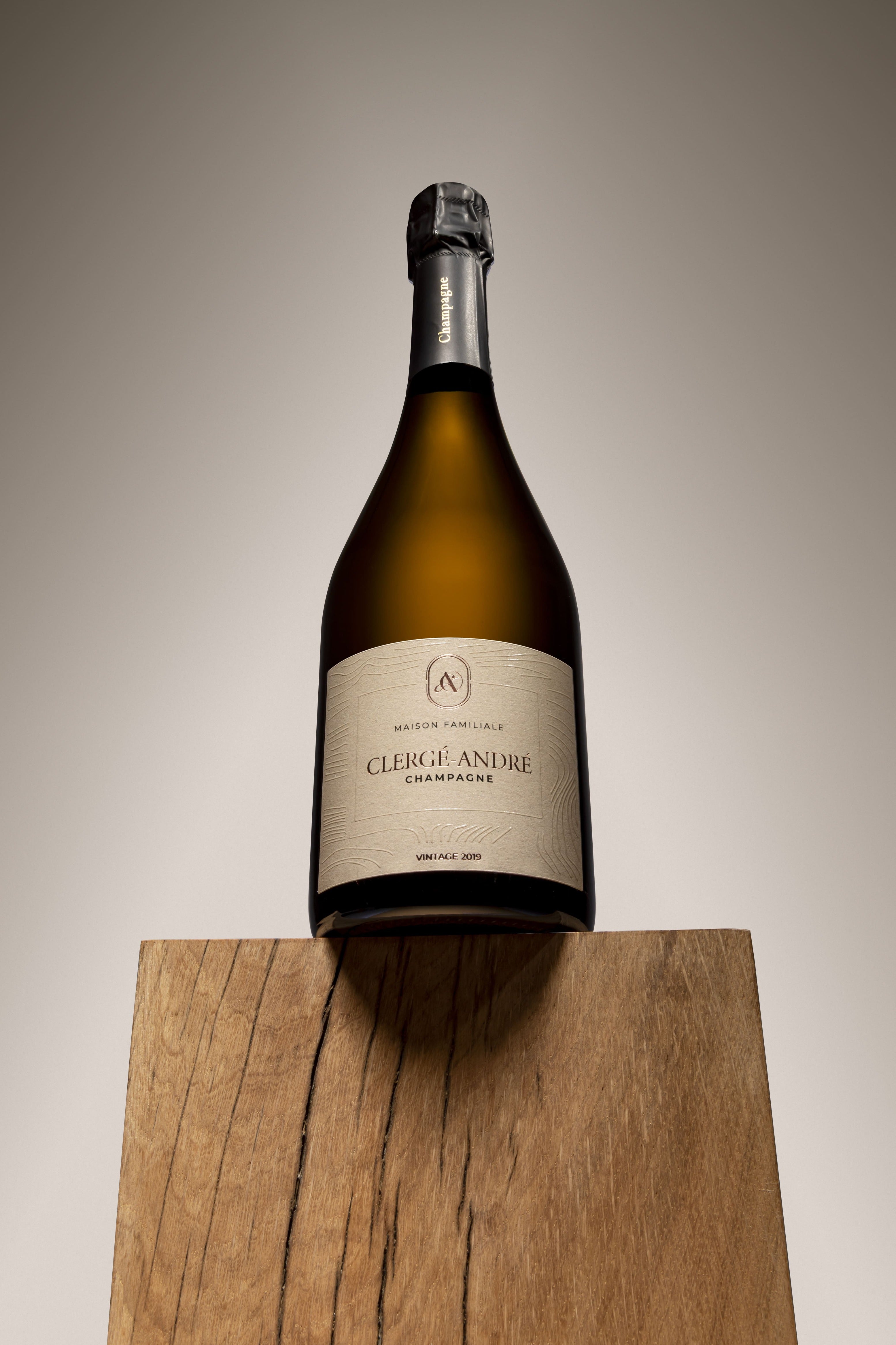
Among the many brands available, Clergé-André Champagne stands out. Maison Clergé-André is known for its collaborations with winemakers who respect artisanal production and Champagne traditions while incorporating modern techniques to improve the quality of the final product . This champagne offers a complexity of flavors that rivals much more expensive bottles, making it a wise choice for Champagne lovers. Clergé-André Champagne combines rich aromas with a silky texture, providing a memorable tasting experience. Compared to other champagnes in the same price range, Maison Clergé-André offers a depth and elegance that are generally reserved for more prestigious bottles.
The best champagne depends on your personal taste and budget. Clergé-André champagne is a standout option not only for its affordable price but also for the consistent quality of its product. Whether for a special celebration or simply to enjoy a good glass, choosing a champagne like Clergé-André can transform a simple moment into a memorable experience.

Optimize tasting thanks to the degrees and temperature of your bottle of champagne
Fully appreciating champagne requires careful attention to its alcohol content and serving temperature. These key elements strongly influence the perception of aromas and the overall structure of the champagne.
By respecting ideal temperatures and taking into account the nuances of each type of champagne, the tasting experience can be enhanced. Careful attention to these details allows the finesse, elegance, and complexity of champagne to be revealed. Whether for a celebration or for pleasure, an optimized tasting enhances the sensory discovery of each sip.