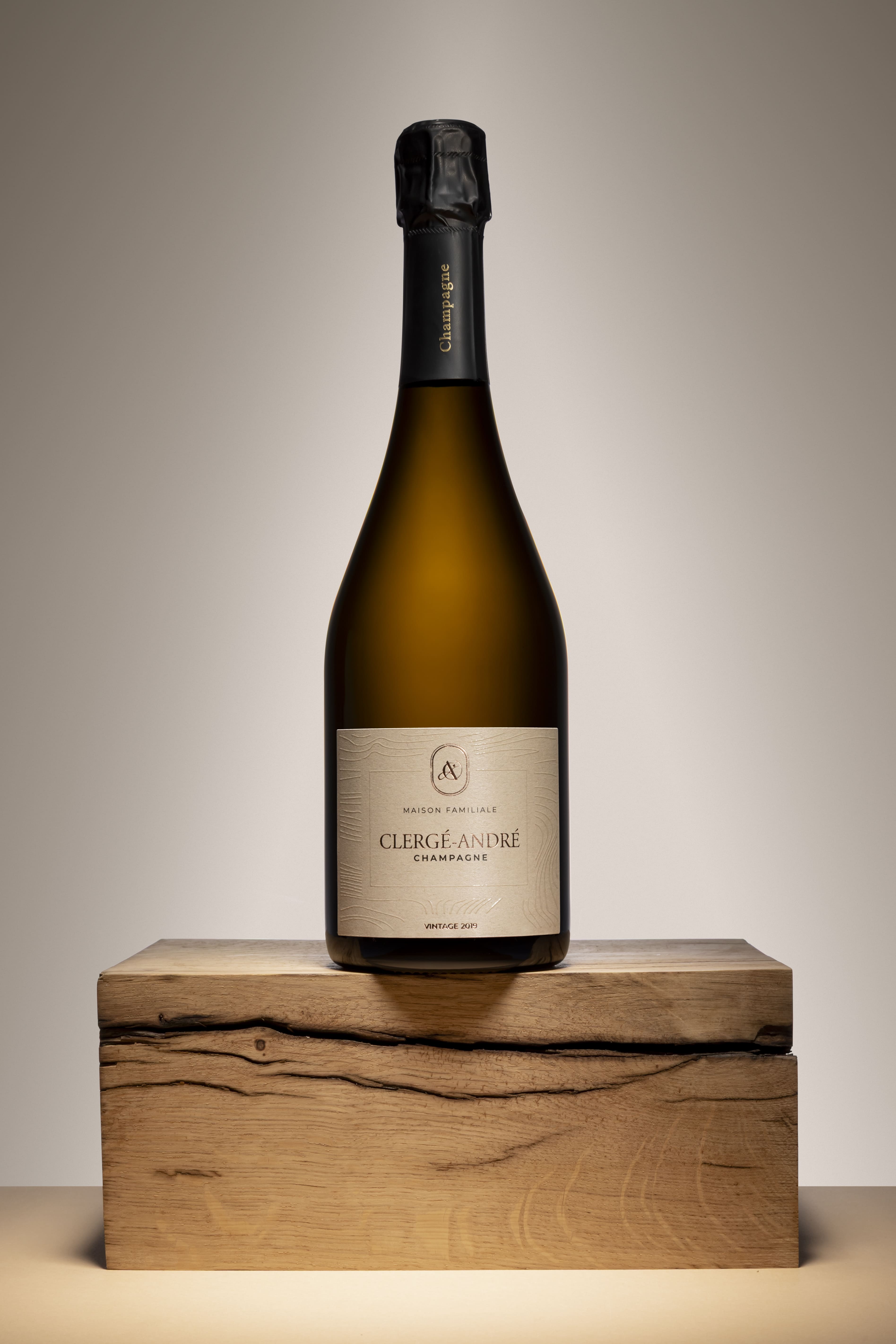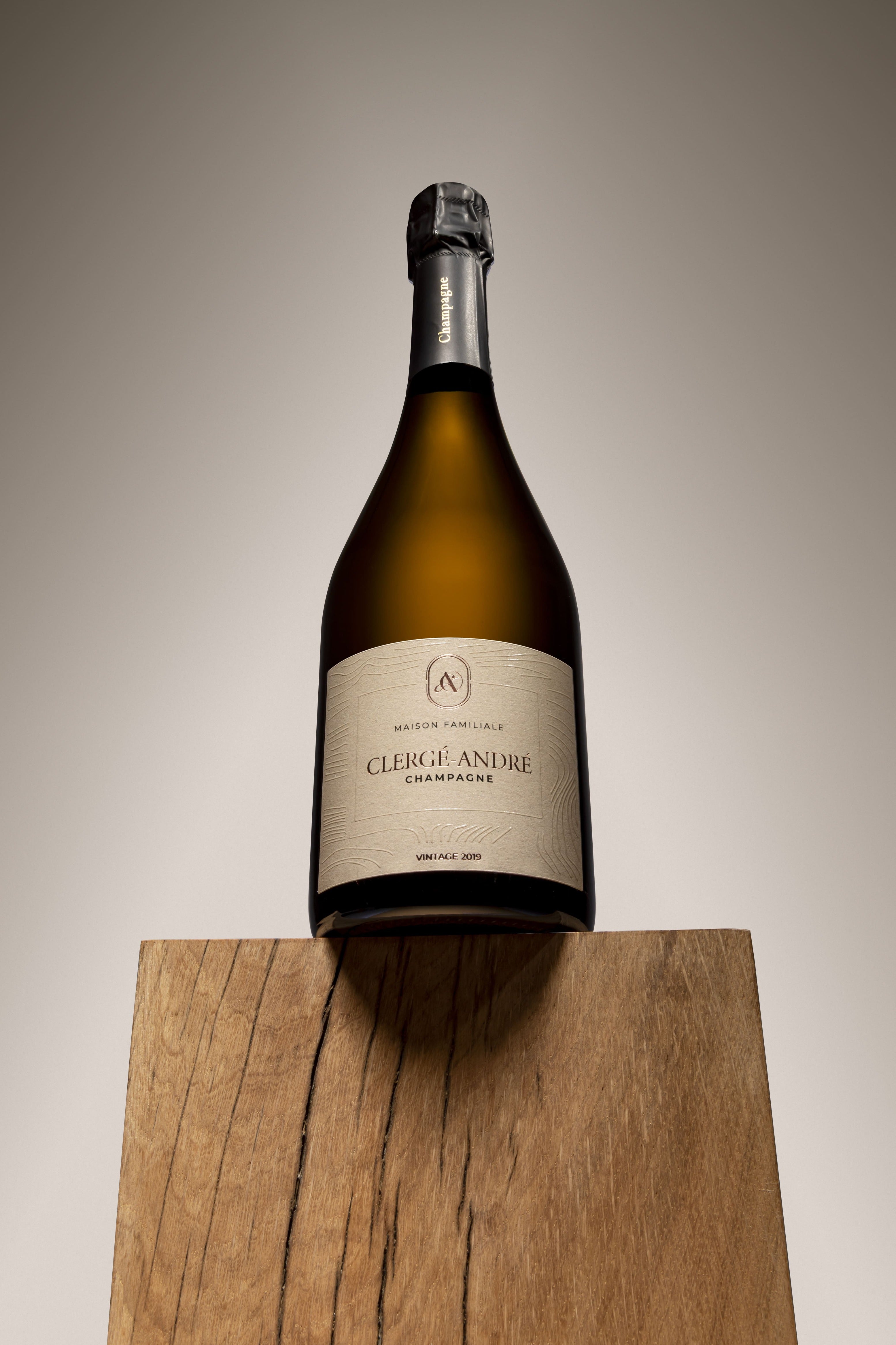


Discovery of Blanc de Noirs champagne
Champagne, the sparkling wine synonymous with celebration, has several varieties, each with its own unique characteristics and charm. Among these, Blanc de Noirs Champagne stands out for its character and intensity. This article invites you to explore this fascinating category of champagne, focusing on its characteristics, production, and how to choose the best Blanc de Noirs champagne.
What is Blanc de Noirs champagne?
The term "Blanc de Noirs" literally means "white from blacks." It refers to a champagne made exclusively from black-skinned grapes, primarily Pinot Noir and Pinot Meunier. Unlike blanc de blancs champagne, which uses white grapes, blanc de noirs champagne uses these dark-skinned varieties, but the resulting wine is still clear. This is because the grape juice itself is generally colorless, and the color is primarily contained in the skin.
Characteristics of Blanc de Noirs champagne
Blanc de Noirs Champagne is renowned for its rich and complex aromas.
Here are some distinctive features:
• Body and Structure: Due to the grape varieties used, it often has a fuller body and a robust structure.
• Aromas and Flavors: Expect notes of red fruits, dried fruits, and sometimes spicy or earthy nuances.
• Color: Although it is made from dark-skinned grapes, Champagne generally remains light golden.
This combination of characteristics makes it a popular choice for those looking for a Champagne with more depth and richness.
How is Blanc de Noirs champagne produced?
The production of Blanc de Noirs Champagne follows a delicate process to ensure that the wine's aromas and clarity are preserved without extracting unwanted color from the grape skins.
Winemaking process
1. Harvesting and Pressing: The black grapes are carefully pressed to extract the juice without letting the skins color the liquid.
2. Fermentation: The clear juice ferments to produce still wine.
3. Blending: Wines from different plots or years can be blended p
to obtain the desired complexity.
4. Second Fermentation: The wine is bottled with sugars and yeasts
for a second fermentation, creating the characteristic bubbles.
Choosing the best Blanc de Noirs champagne
Finding the best blanc de noirs champagne can be a delightful quest. Here are some tips to help you choose a bottle that meets your expectations:
Consider the producer
Some producers are renowned for their expertise in blanc de noirs. Look for reputable Champagne houses or artisanal producers known for their meticulous winemaking techniques.
Check the vintage
In the case of vintage champagnes, the harvest year can greatly influence the taste. Years with exceptional climatic conditions can produce wines of superior quality.
Examine the terroir
Terroir plays a vital role in the final taste of Champagne. Limestone soils and the geographical location of the vineyards influence the aromatic characteristics and minerality of the wine.
Food and Blanc de Noirs champagne pairings
Blanc de Noirs Champagne, with its complexity and depth, is an ideal companion for a variety of dishes.
Here are some ideas for food and wine pairings:
• White Meats: Roast chicken or pork.
• Seafood: Crabs, shrimps and firm-fleshed fish.
• Cheeses: Soft cheeses like brie or camembert.
These pairings allow you to highlight the nuances of the wine while complementing the richness of the dishes.
Conclusion
Blanc de Noirs Champagne is a marvel of complexity and finesse, offering a unique taste experience that appeals to many Champagne lovers. Whether you are a longtime connoisseur or a curious novice, exploring this style of Champagne can enrich your appreciation of sparkling wines. By choosing the right producer, considering the vintage, and pairing this wine wisely with your favorite dishes, you can expect a memorable dining experience. In short, Blanc de Noir Champagne is much more than just a drink; it is an invitation to celebrate and savor life's moments with a little more passion and pleasure.