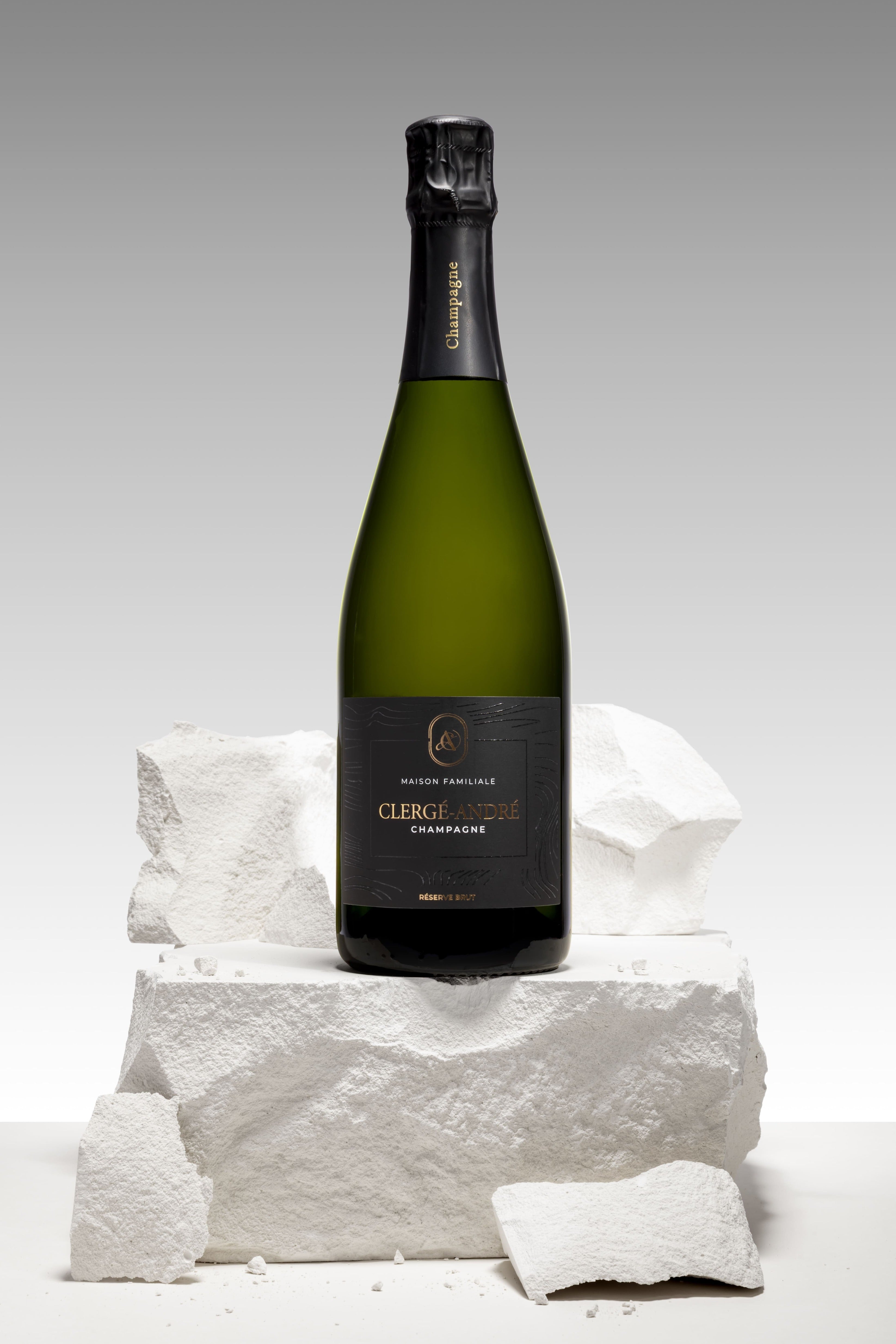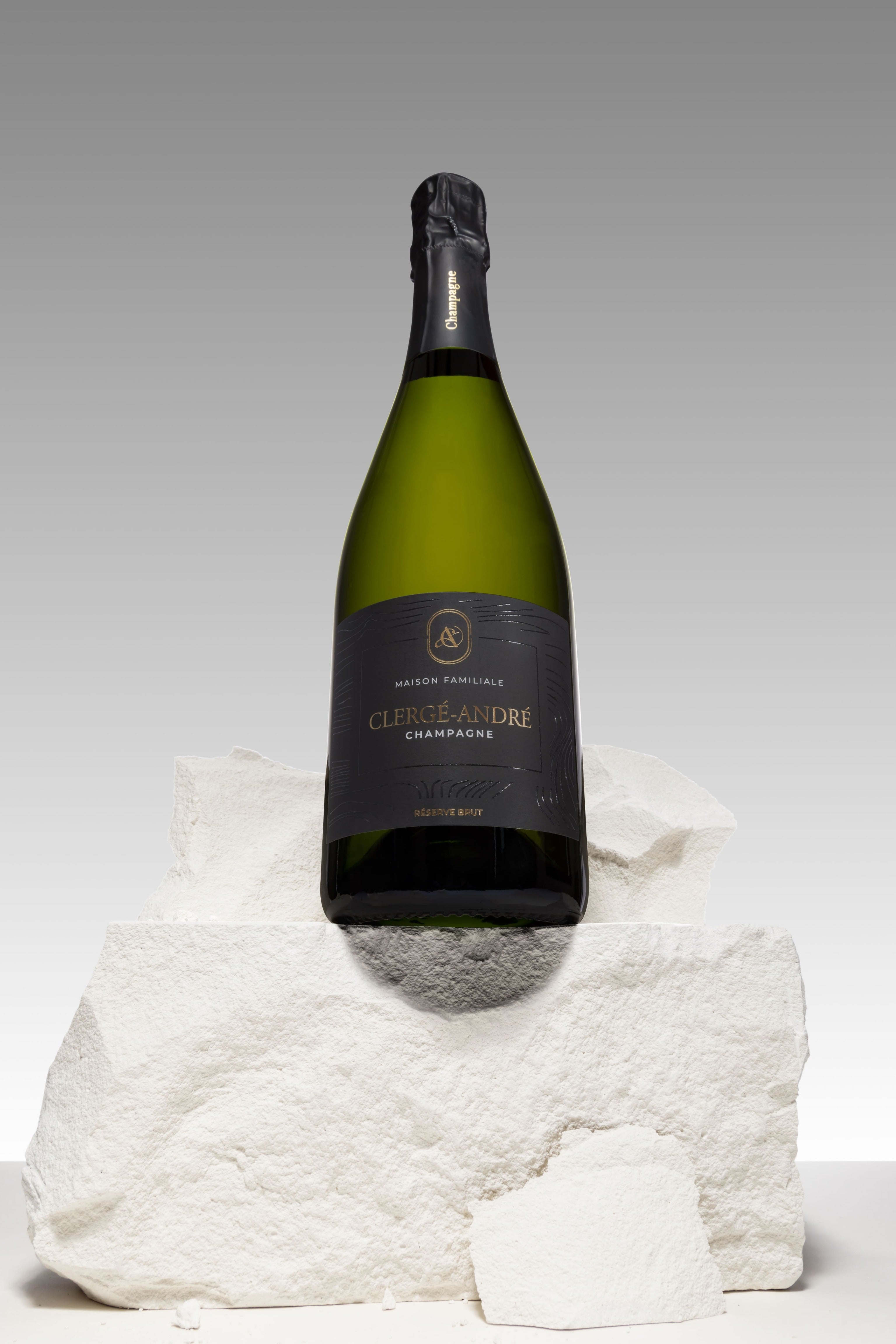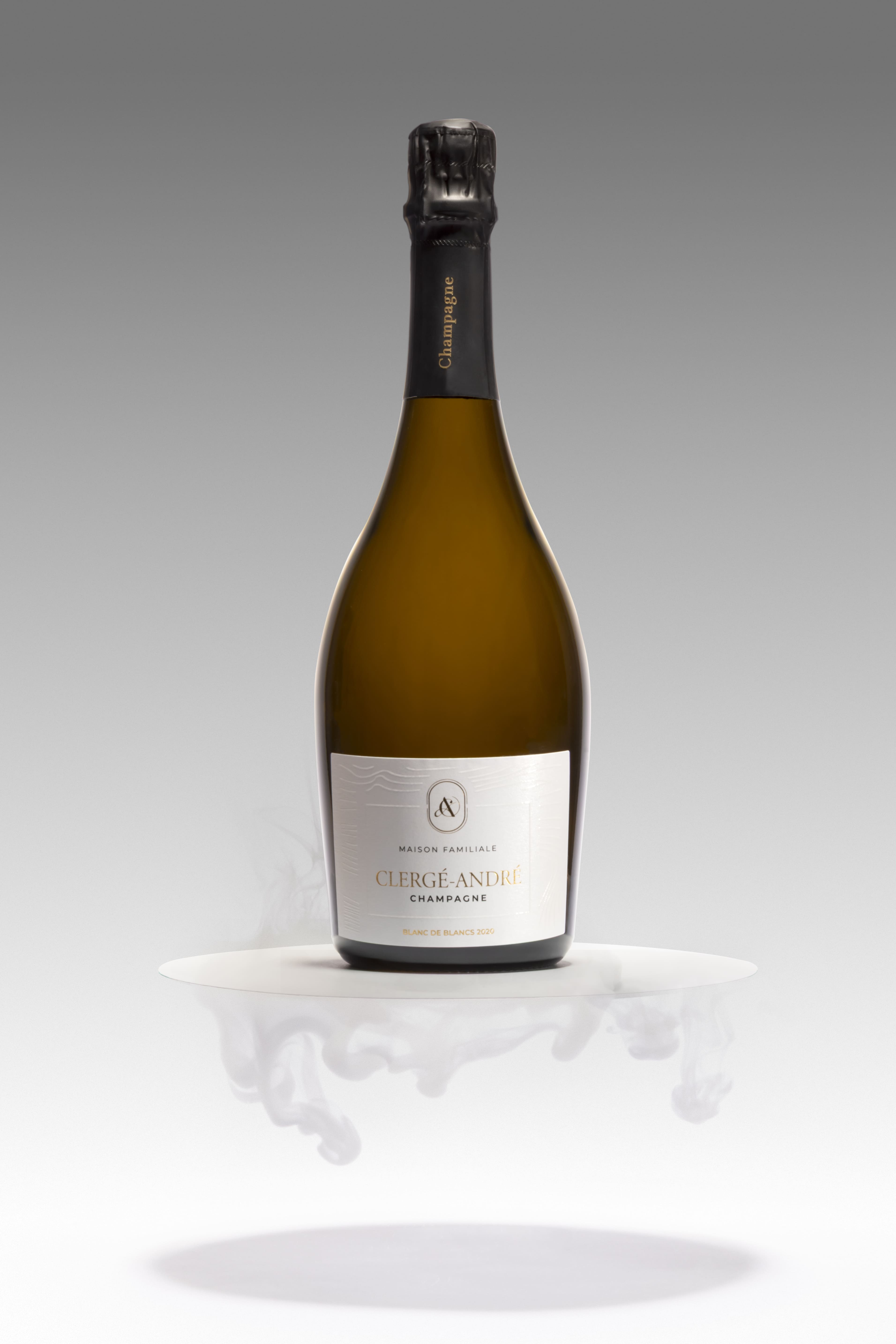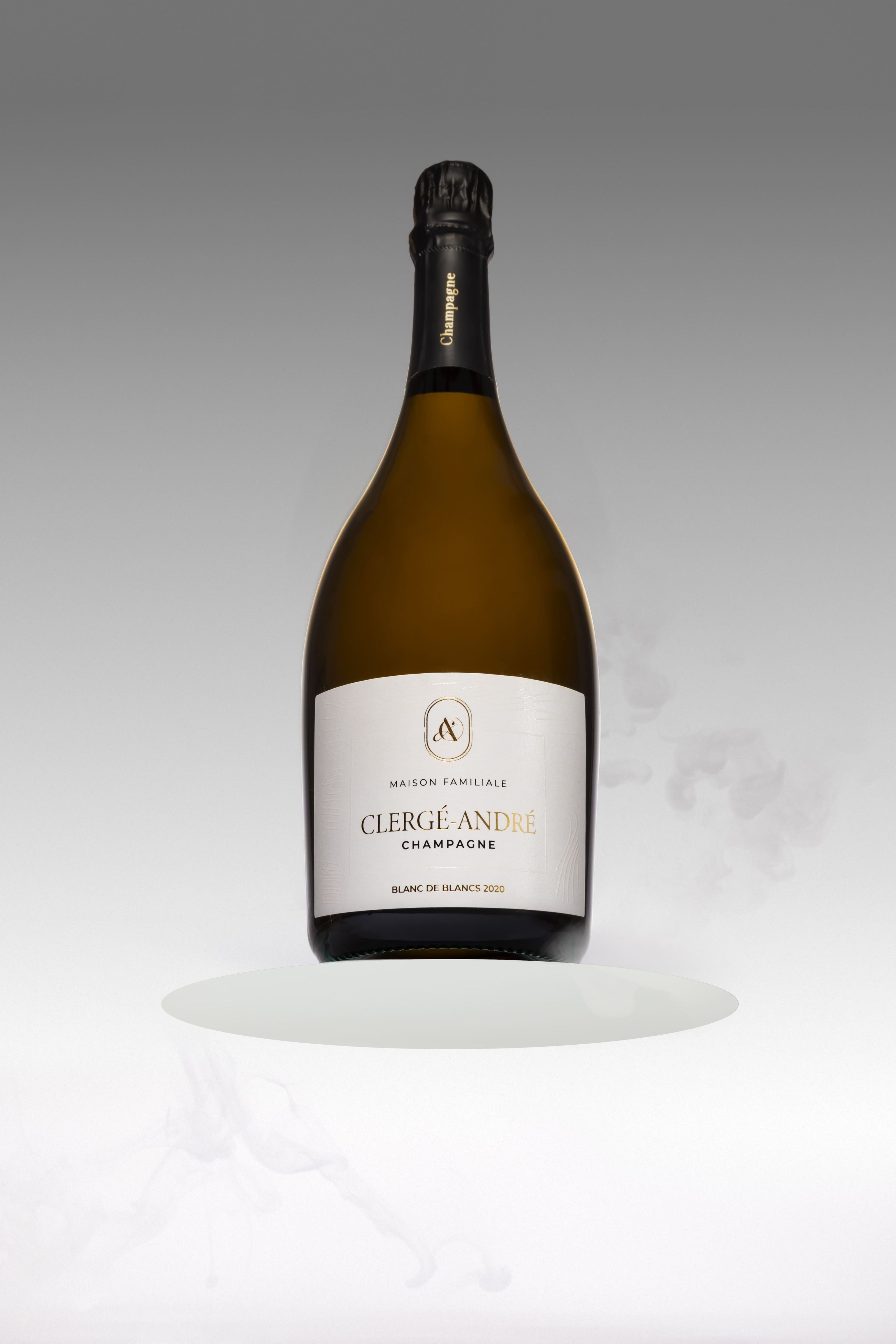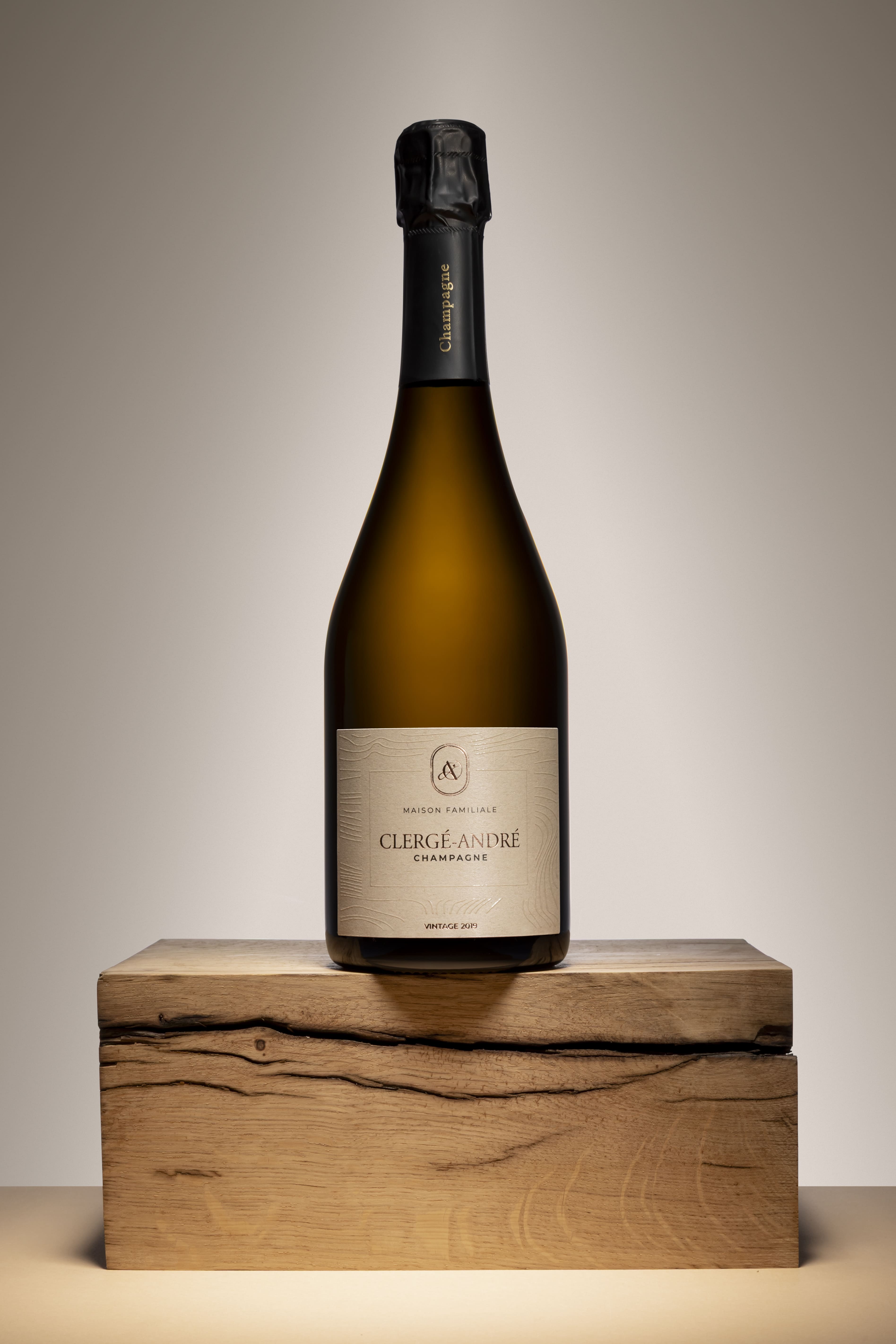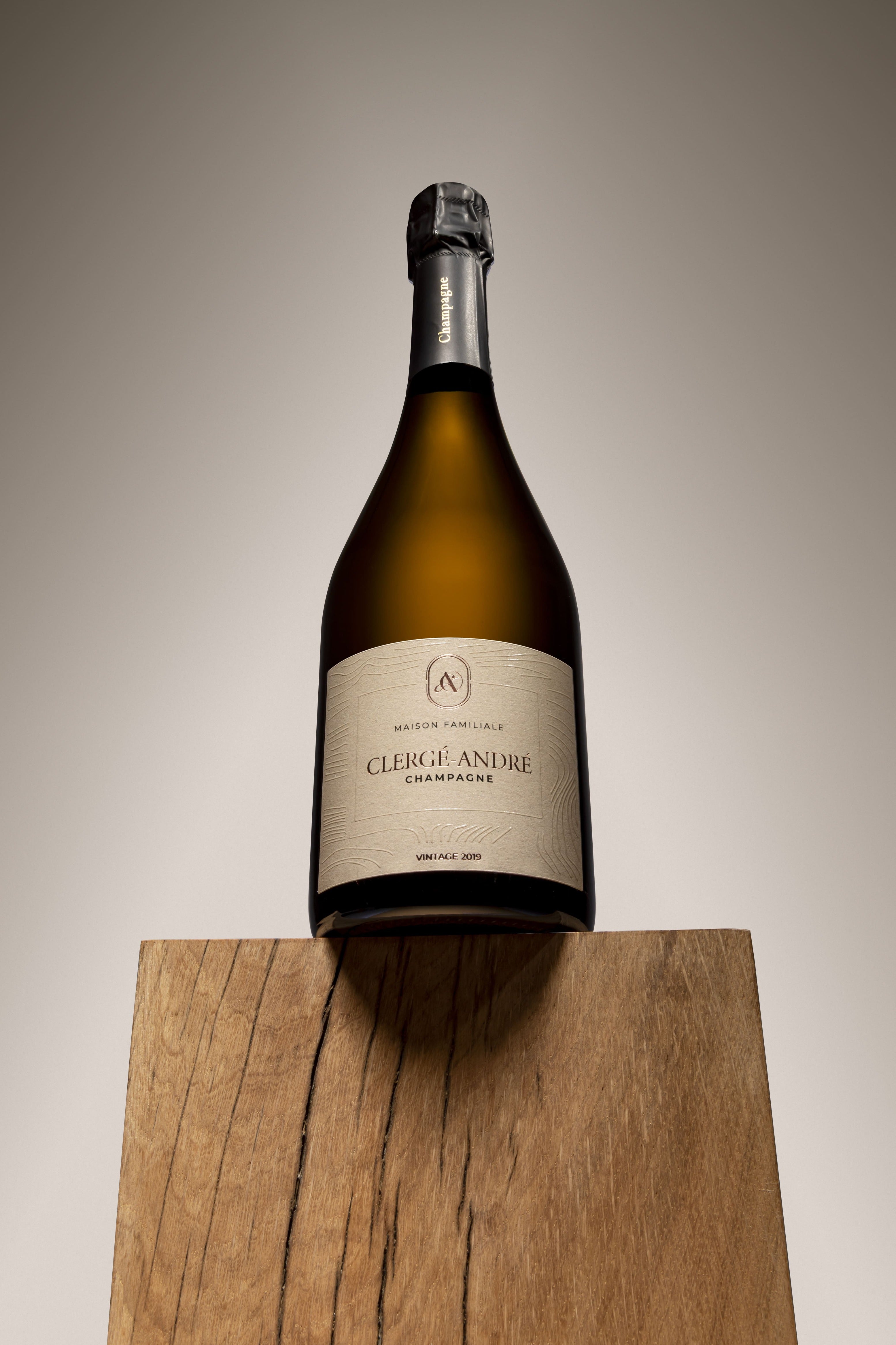


Blanc de Blancs winemaking techniques
Winemaking is a complex and fascinating art, and among the many varieties of wine, Blanc de Blancs holds a special place. This term, often associated with sparkling wines, refers to a white wine made exclusively from white grapes. Understanding the winemaking techniques for this type of wine will help you fully appreciate its complexity and finesse. In this article, we will explore the key steps in the Blanc de Blancs winemaking process, its specificities, and what sets it apart in the world of white wines.
What is Blanc de Blancs?
Before delving into winemaking techniques, it's essential to clarify what a Blanc de Blancs wine is. The term "Blanc de Blancs" literally means "white of whites" in French, indicating that the wine is produced exclusively from white grape varieties. This specificity is particularly common in the production of Champagne, where Chardonnay is the most commonly used grape variety for Blanc de Blancs. However, other wine regions around the world also apply this concept to various white grape varieties.
Commonly used grape varieties
The grape varieties used in the production of Blanc de Blancs vary depending on the region and the desired style of wine. In Champagne, Chardonnay reigns supreme, prized for its ability to impart finesse and elegance to wine. Elsewhere, grape varieties such as Chenin Blanc, Pinot Blanc, and Sauvignon Blanc may be used, each contributing its own aromatic and flavor characteristics.
The stages of vinification of Blanc de Blancs
The vinification of Blanc de Blancs generally follows the classic steps of white wine production, with some specific nuances due to the exclusive use of white grapes. Here is an overview of the key steps:
Harvesting and pressing
Harvesting the grapes is a crucial step that influences the final quality of the wine. For Blanc de Blancs, the grapes are often hand-picked to preserve their integrity. Once harvested, the grapes are quickly pressed to prevent oxidation and extract the purest juice possible. Pressing must be gentle to minimize the presence of tannins, which are generally undesirable in white wine.
Fermentation
The resulting juice, also called must, undergoes alcoholic fermentation to transform the natural sugars into alcohol. This fermentation can take place in stainless steel tanks or oak barrels, depending on the style of wine desired. Stainless steel tanks are often preferred to preserve the freshness and purity of the aromas, while wood can add complex notes of vanilla and toast.
Breeding
Wine aging is a crucial step in the development of its aromas and structure. For Blanc de Blancs, aging on lees is a common practice. Lees are deposits of dead yeast that remain after fermentation. Their presence can enrich the wine by giving it body and aromas of brioche and hazelnut. Aging can last from a few months to several years, directly influencing the wine's character.
Blending and bottling
In the case of Blanc de Blancs champagnes, blending is a crucial step that involves mixing wines from different plots or years to create a harmonious final product. Once blended, the wine is bottled and undergoes a secondary fermentation for sparkling wines, a process that creates the characteristic bubbles of champagne.
The characteristics of Blanc de Blancs
Blanc de Blancs is renowned for its finesse, liveliness, and minerality. When tasted, it is distinguished by floral, citrus, and white fruit aromas. On the palate, it often offers refreshing acidity and a creamy texture, especially when aged on lees. These wines are perfect as an aperitif or as an accompaniment to delicate dishes such as seafood or grilled fish.
The importance of terroir
As with all wines, terroir plays a vital role in the production of Blanc de Blancs. The soil, climate, and exposure of the vines directly influence the quality of the grapes and, consequently, the wine. The best Blanc de Blancs come from terroirs that allow the grapes to ripen slowly, thus preserving their acidity and aromatic complexity.
Conclusion
The vinification of Blanc de Blancs is a delicate process that requires expertise and attention to detail. Each step, from harvest to aging, contributes to creating a wine of great elegance and unique aromatic complexity. Whether you're a fan of Champagne or still white wines, Blanc de Blancs offers a refined tasting experience that showcases the best of white grapes. Exploring the different winemaking techniques will help you better appreciate the subtlety and diversity of these exceptional wines.